
The Lafayette Wedding: A Few Frames on the Holga
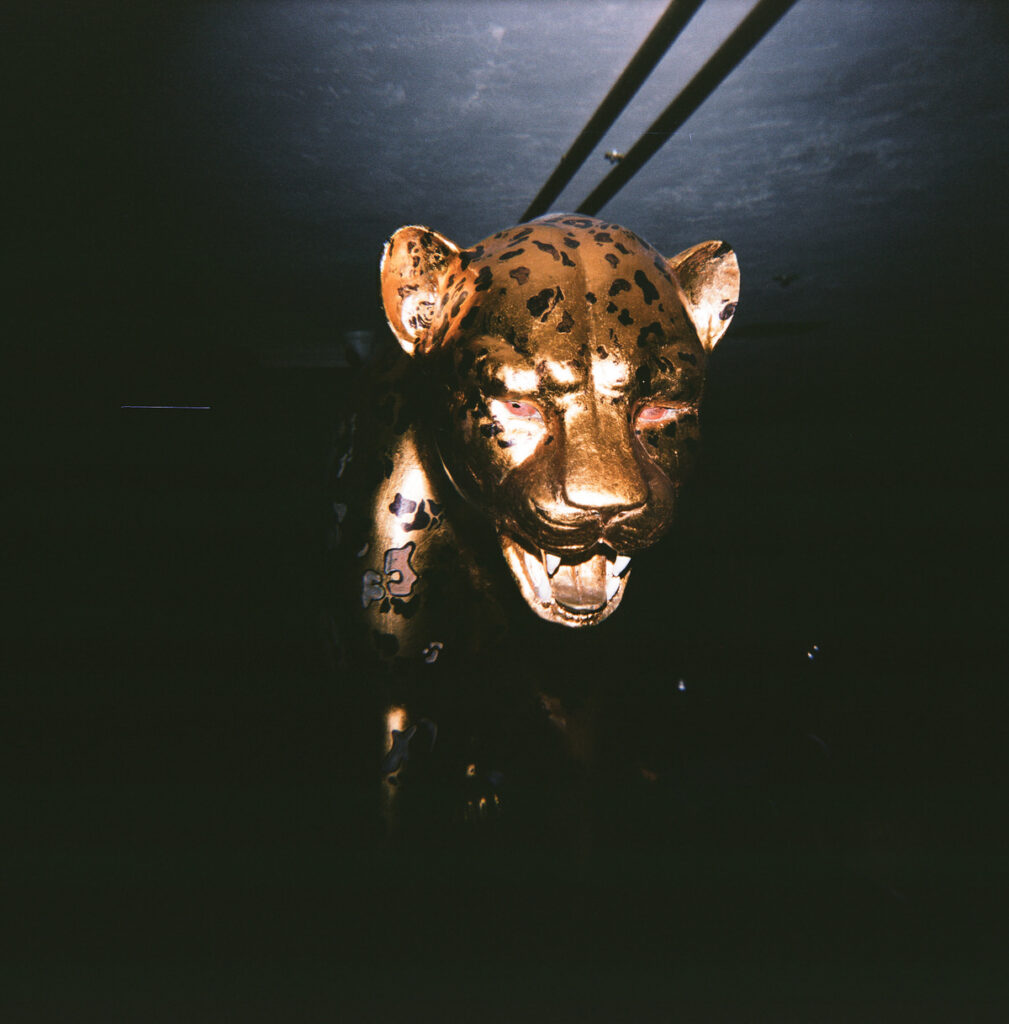
In June 2026, I second shot a wedding at San Diego’s Lafayette Hotel, and it didn’t take long into the day to notice how well this particular venue and the Holga get along.

Two Weddings Are Happening at the Lafayette
There are two weddings happening at the Lafayette that day. Yours, and film’s.
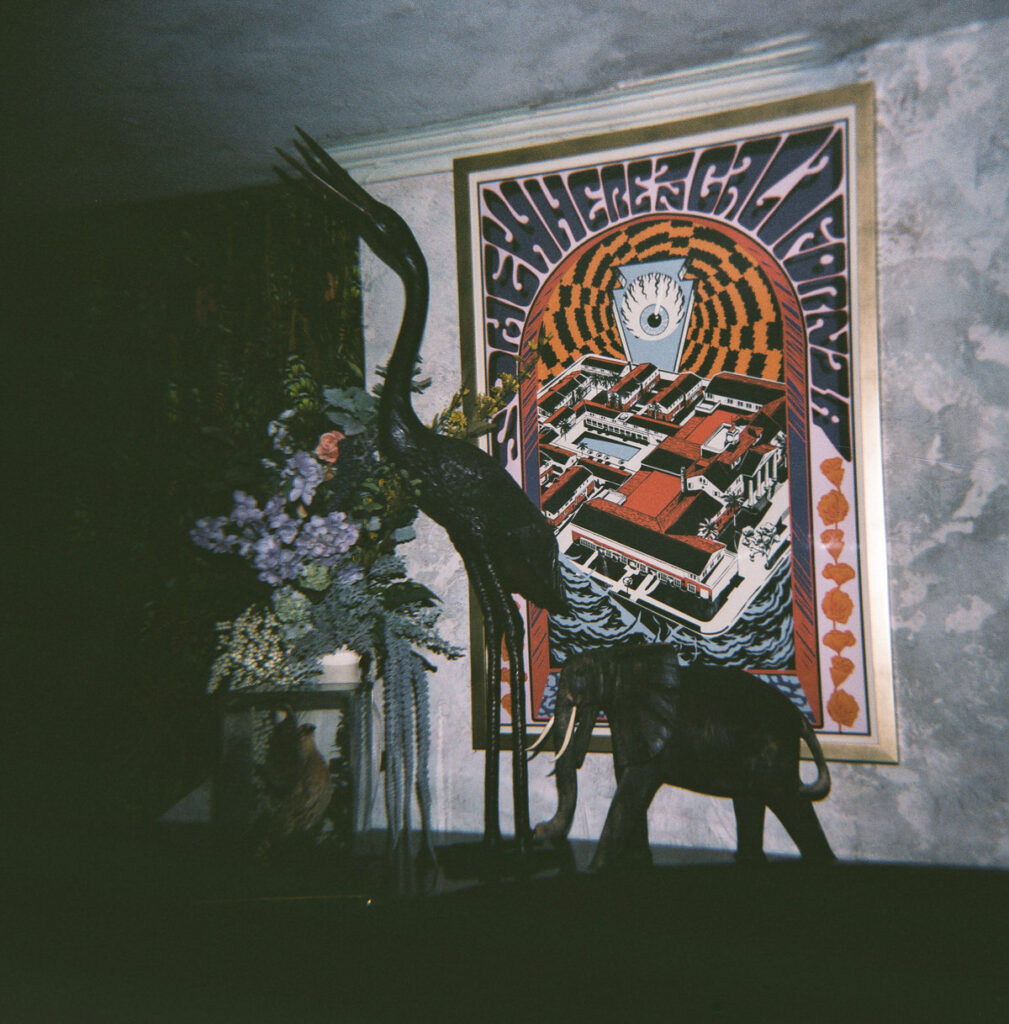
Built in 1946 with real Hollywood connections, added to the National Register of Historic Places, the kind of maximalist, mid-century glamour that doesn’t get built anymore, the Lafayette already lives in a nostalgia lens. Film just happens to see the world the same way it does.
It’s not a coincidence that this works. A minimalist, ultra-modern venue can end up fighting with what film naturally wants to do, the grain, the warmth, the slight imperfection. The Lafayette doesn’t fight it. The saturated color, the vintage architecture, a ballroom that’s shown up in movies, all of it already looks like it belongs in a frame from another era. Film doesn’t have to work to match this place. It already does.



Why the Holga Came Out at the Lafayette
I bring four rolls to a wedding, pre-wound and ready before the day even starts, no fumbling with loading film mid-moment. I split the day into quarters and number the rolls so I always know exactly which one to reach for. Usually that’s three rolls of 400-speed film and one roll of 800, saved for later in the day once the light starts to fall. A flash stays on the camera the whole time. I use it for spontaneous moments, small details, the space itself, honestly, anything. I treat it like a true point and shoot camera and just really go for it.
At a place with this much color and character already built in, that approach fits especially well.


The Frame That Made It Worth It
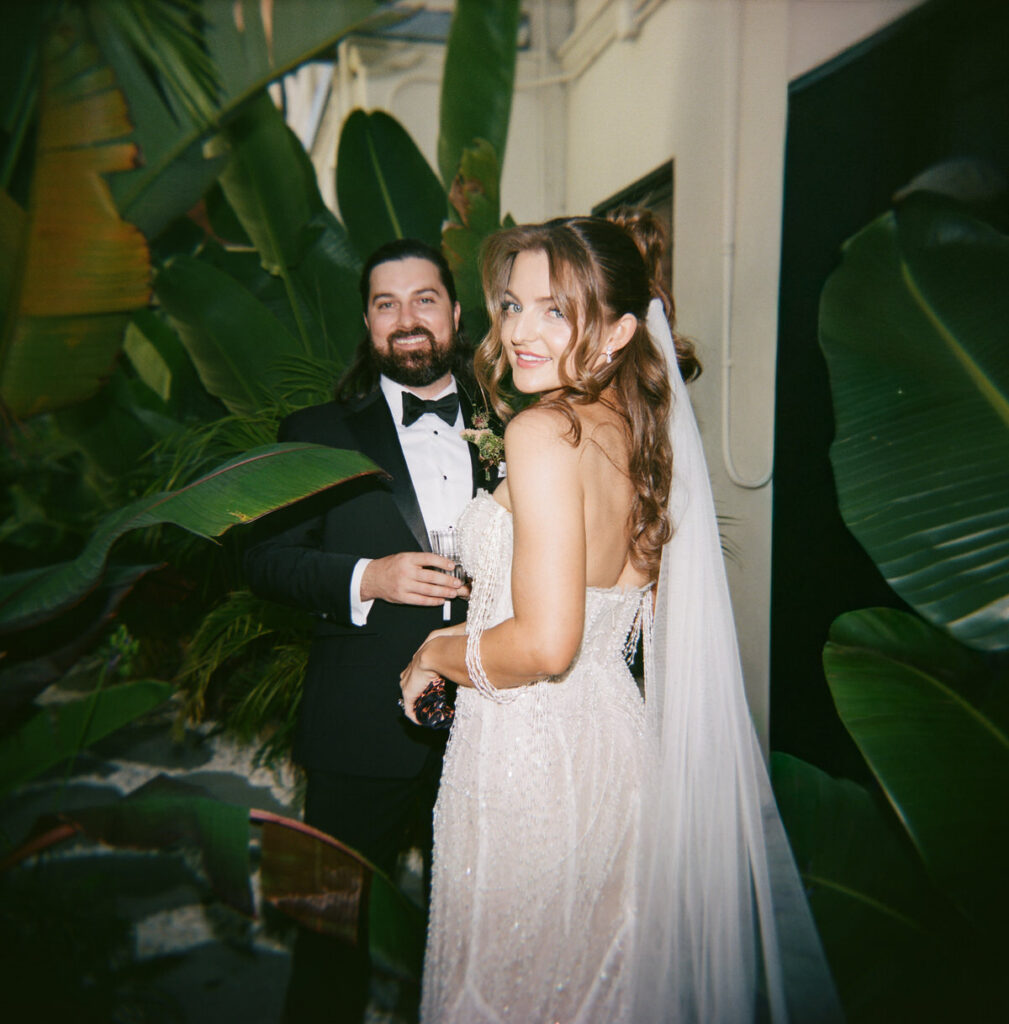
Right after the first look, I caught the bride and groom from a side angle. I called out the bride’s name so she’d turn around, and clicked right as she did. It’s my favorite photo from the entire day.
Thinking About Adding Film to Your Lafayette Wedding?
If the Lafayette’s already on your list of venues, or already booked, a few Holga frames are worth considering alongside your digital and 35mm coverage. See Getting Married at The Lafayette Hotel in San Diego for the fuller venue guide, and Weddings on Film with the Holga for more on what a Holga actually is and how it works.
More Film Photography You’ll Love
- Weddings on Film with the Holga
- Getting Married at The Lafayette Hotel in San Diego
- Why Film Wedding Photography Is Worth It: A Real Rancho Guejito Vineyard Wedding
- Browse the full blog for more
Meet Your Photographer
Hi, I’m Teresa. It started 22 years ago, the first time I stepped into a darkroom. I started experimenting with wedding photography in 2019, on purpose, and differently than what I’d been trained to expect from the industry. Film, in all its unpredictable forms, has been part of that from the start. If there’s one belief that’s driven all of it, it’s this: have fun, and let it be what it’s going to be. I’ll be there to catch whatever happens.
A Note on These Photos
These images were taken while second shooting alongside Dina Diaz. The couple has generously allowed these photos to be shared here, and at their request, no names are used.
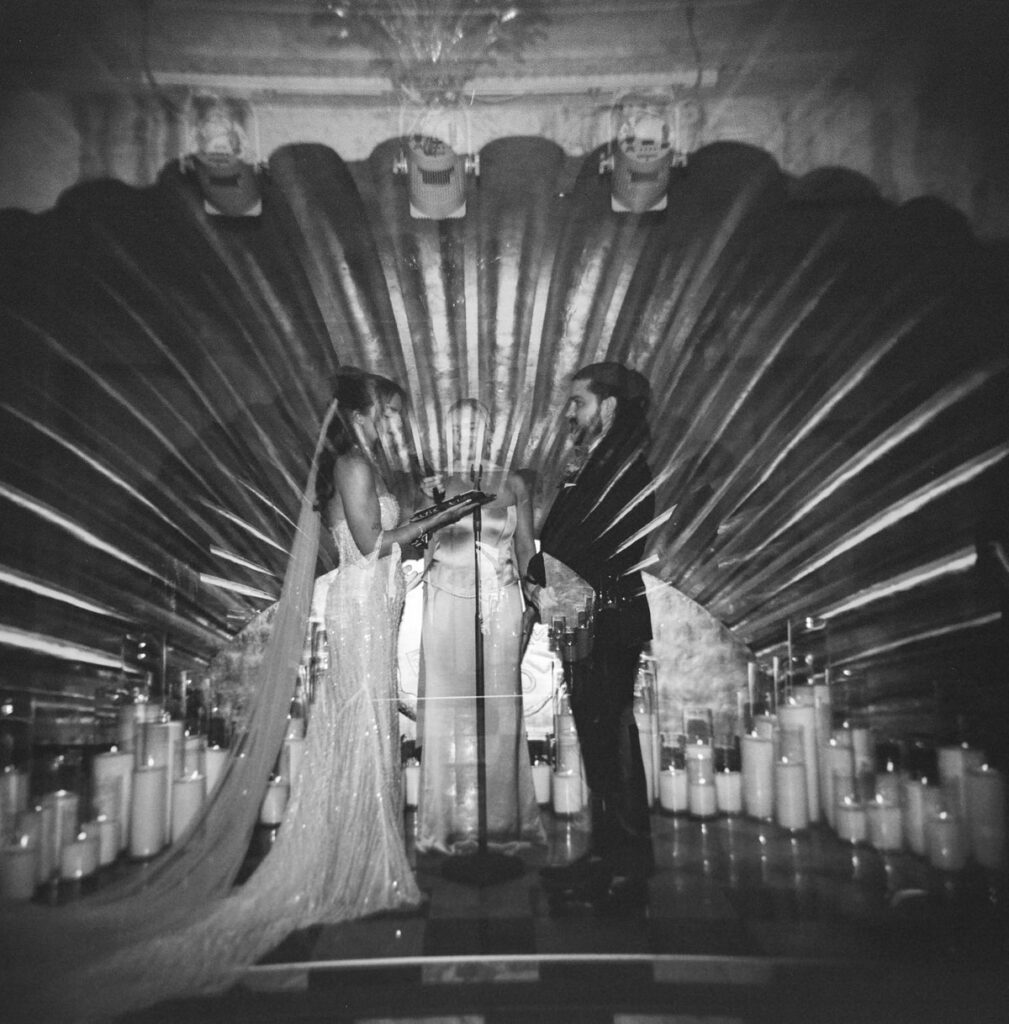


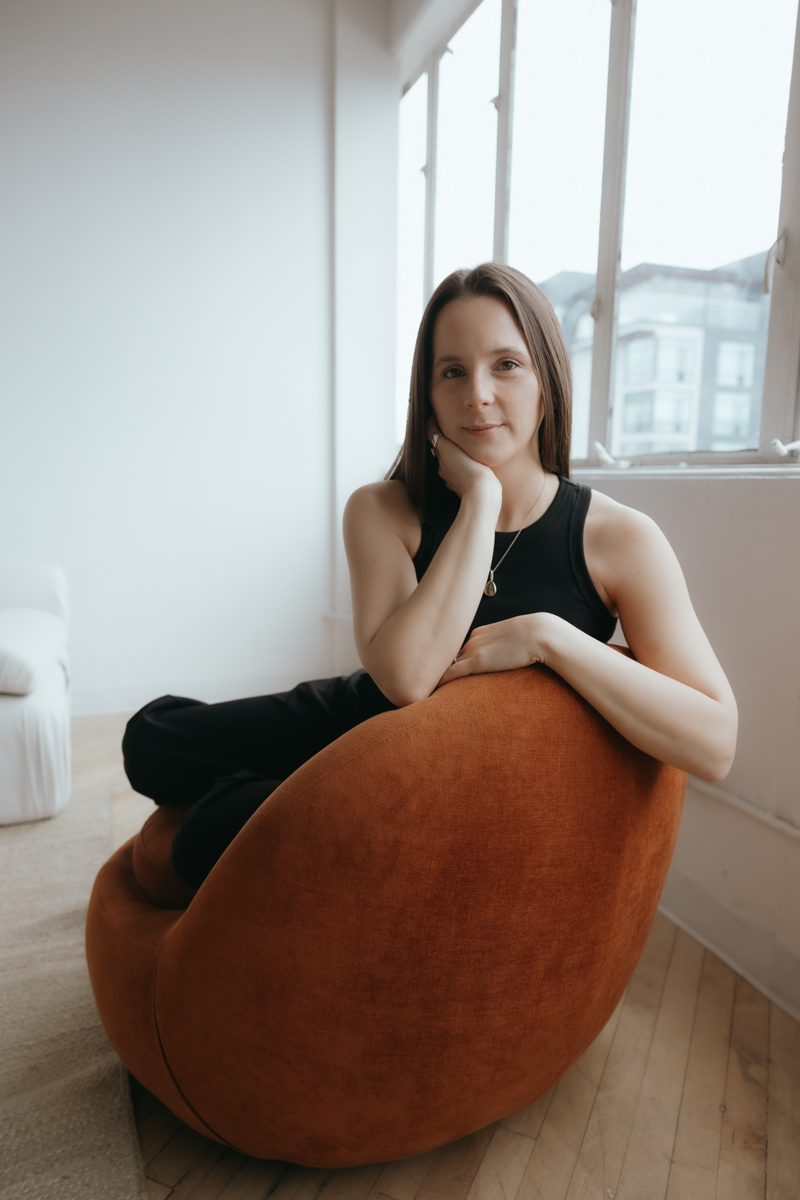
My photography is a blend of art, experience, and instinct, a little bit of this, a little bit of that. It started 22 years ago, the first time I stepped into a darkroom, a moment that sparked a lifelong pull toward capturing the world through a lens. That pull eventually led me into the fine art space, collaborating with artists, managing studios, and working alongside galleries and museums, studying art and photography through both undergraduate and graduate school, where my aesthetic developed under the influence of critical theory and contemporary art. I found myself drawn to the intersection of documentary photography and the spontaneous, unfiltered moments of real life. My goal has always been the same: images that are raw, honest, and deeply human.
I founded Teresa LoJacono Photography in 2013, and started experimenting with wedding photography in 2019, on purpose, and differently than what I’d been trained to expect from the industry. Travel plays a huge role in my creative process too, I find inspiration in the unfamiliar, letting light, movement, and emotion guide my eye. With a camera in hand, everything becomes a canvas and a chance to catch what’s actually happening, not what’s staged for it. If there’s one belief that’s driven all of it, it’s this: have fun, and let it be what it’s going to be. I’ll be there to catch whatever happens.


