Weddings on Film with the Holga 120N
When I pull out my Holga at a wedding, it always gets a reaction, and not just from other photographers. It’s a plastic camera with a toy-like lens, no viewfinder accuracy to speak of, and edges that do whatever they want. Couples light up when they see it. It’s a small, physical reminder that their day doesn’t have to be about getting everything perfectly documented. It can be about the feeling of it instead.
What Is a Holga Camera
The Holga was designed in 1982 by Lee Ting-mo in Hong Kong, originally meant to be a cheap, accessible camera for Chinese working-class families to record portraits and everyday life. The market it was built for disappeared almost as fast as it arrived, once 35mm film imports became widely available, nobody needed a stripped-down medium format camera anymore.
What saved it was photographers, not families. The same things that made it a commercial failure, the soft plastic lens, the light leaks, the vignetting at the edges of every frame, turned out to be exactly what artists wanted once they got their hands on one. A photograph shot on a Holga by photojournalist David Burnett won a top prize at the 2001 White House News Photographers’ Association awards. There’s still an informal Holga Week every October, photographers around the world shooting nothing else for a full week, just to see what happens.
Technically, it’s a 120 medium format camera, a plastic 60mm lens, a single shutter speed around 1/100th of a second, and zone focus instead of anything precise. It is, genuinely, closer to a toy than a tool. That’s the whole appeal.
There are a few different Holga versions out there, and I shoot the 120N specifically. The reason is simple: it has a stronger flash than some of the other models, and that extra bit of power makes a real difference once the light starts fading at a wedding. Everything else people love about a Holga, the soft focus, the light leaks, the unpredictability, is still exactly what you’d expect. The 120N just gives me a little more to work with when the day gets dim.
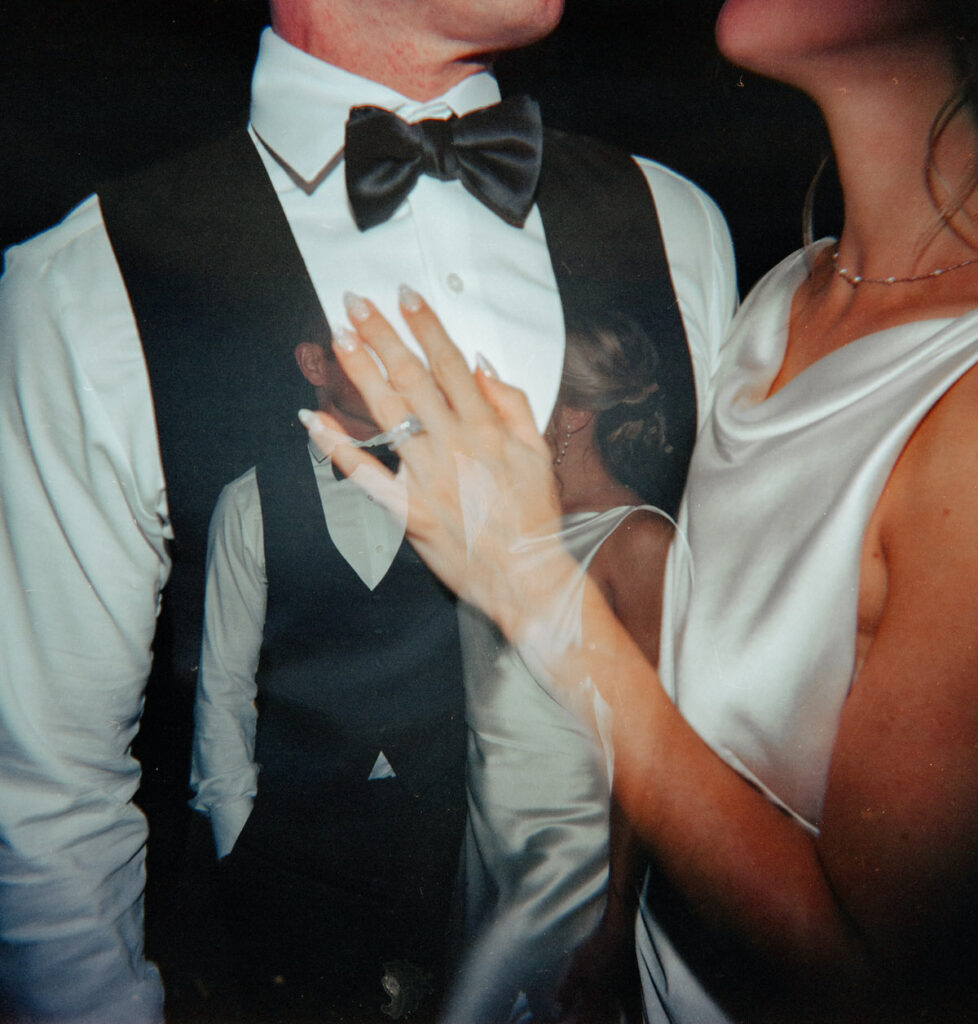
Why Bring a Holga to a Wedding
Weddings move fast, there’s a timeline, a shot list, logistics to manage all day. The Holga asks me to slow down inside all of that. There’s no reviewing the shot on a screen, no fixing it in the moment if the light leak lands somewhere unexpected. I have to actually pay attention and trust the moment instead of chasing certainty.
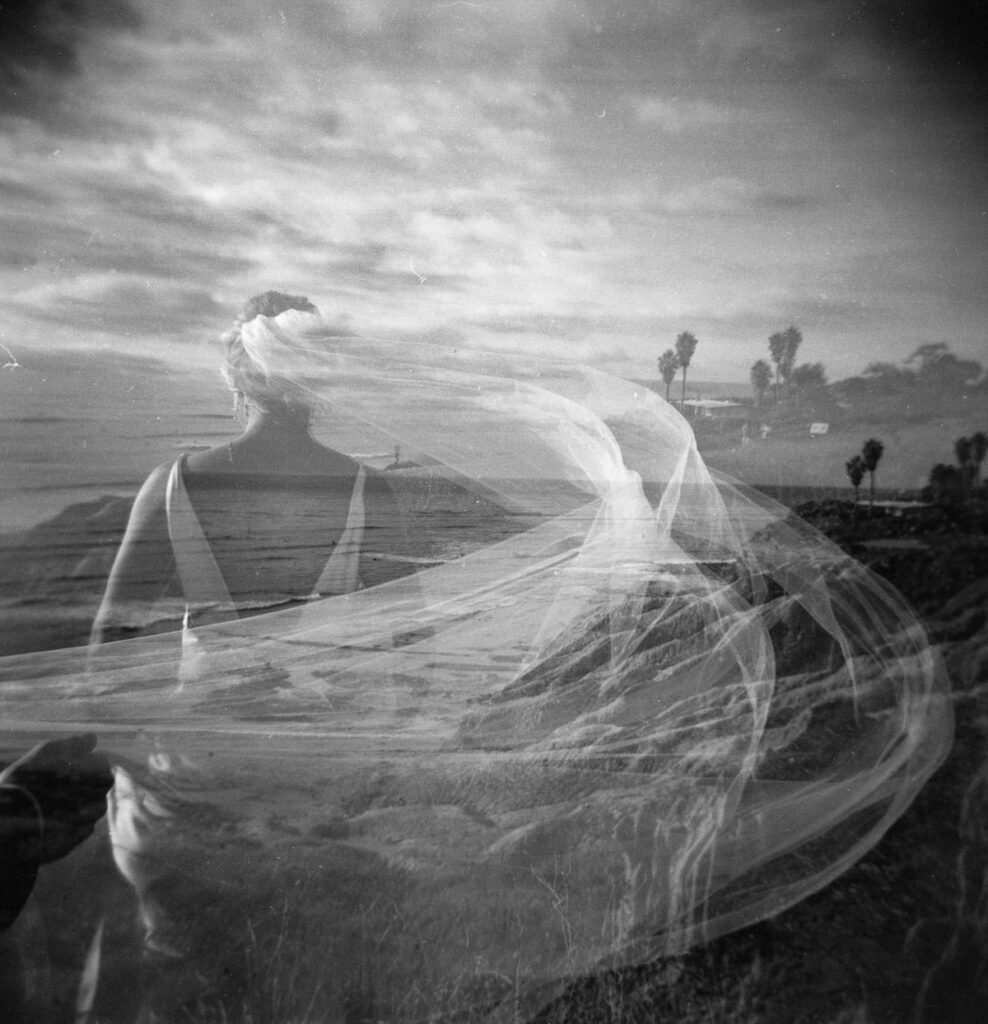
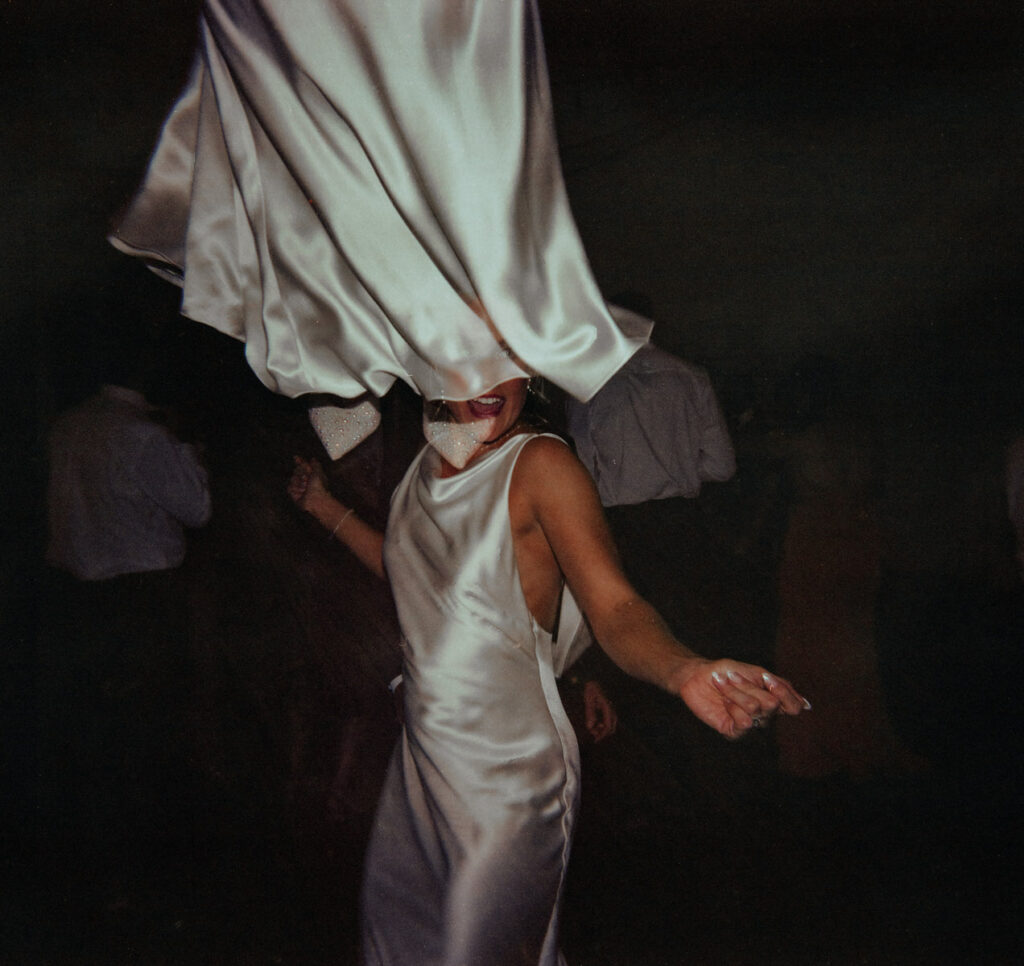
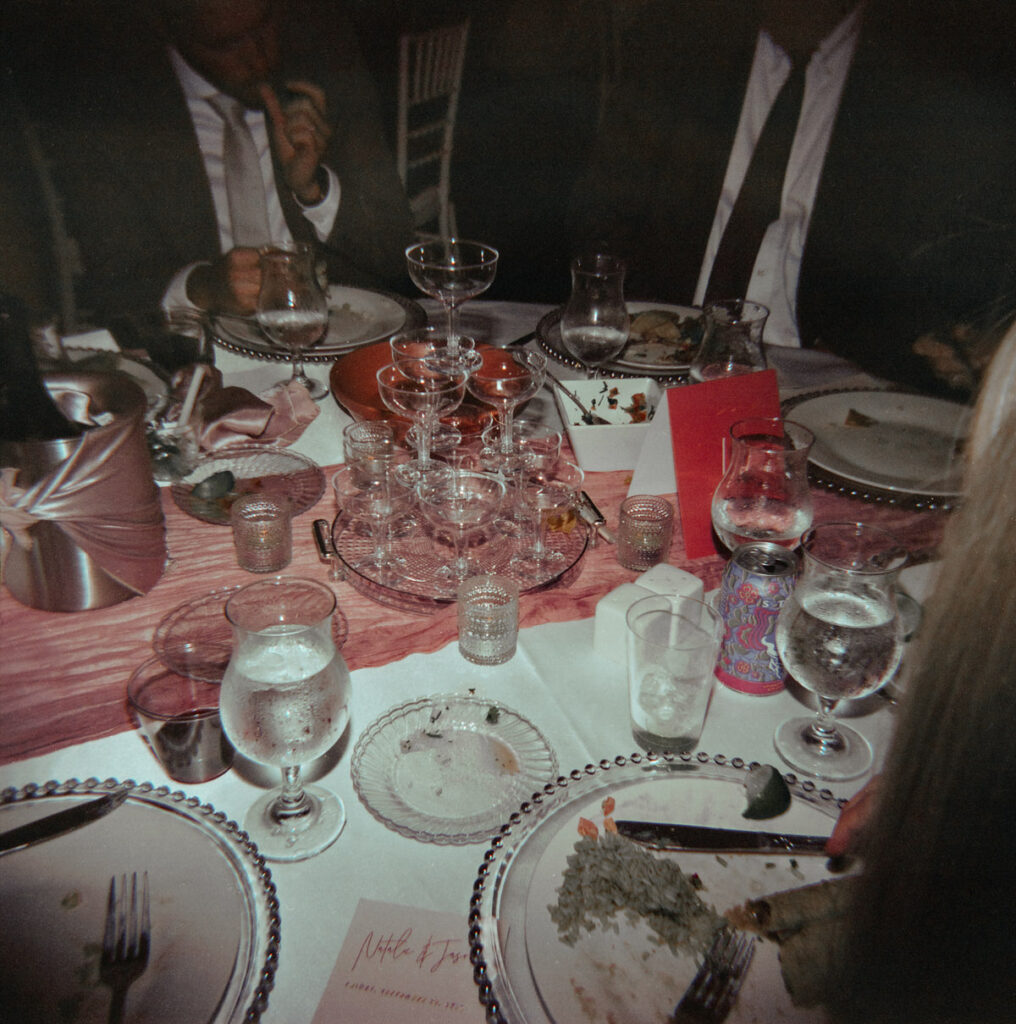
What it adds to a gallery: images that feel less like documentation and more like memory, the kind of soft, imperfect frame that looks like it’s already been sitting in a drawer for twenty years, even though it was taken an hour ago. It doesn’t replace the rest of the coverage, digital and 35mm still carry the day’s full story. The Holga frames are the handwritten note tucked inside it.
What Holga Wedding Photos Actually Look Like
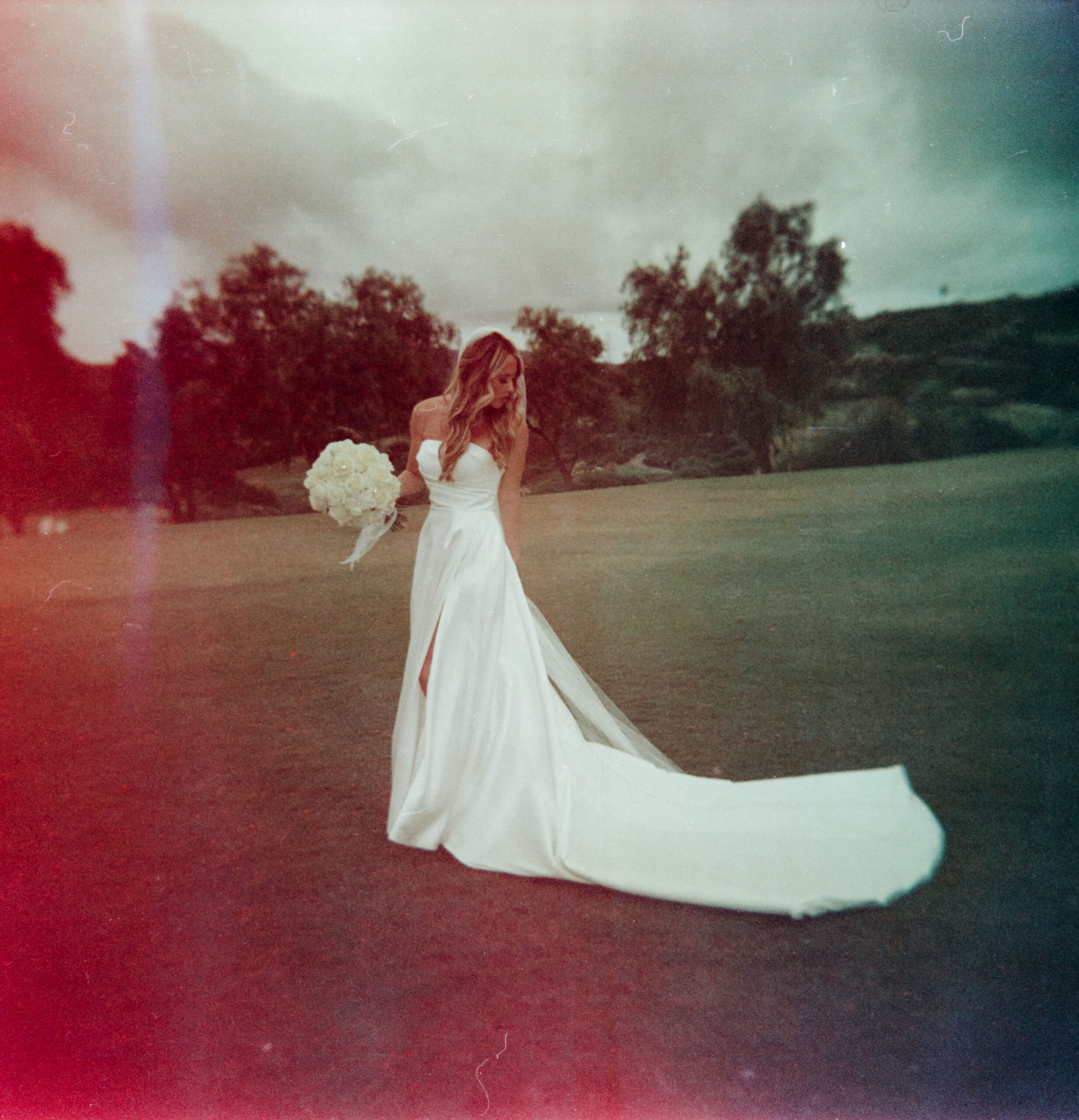
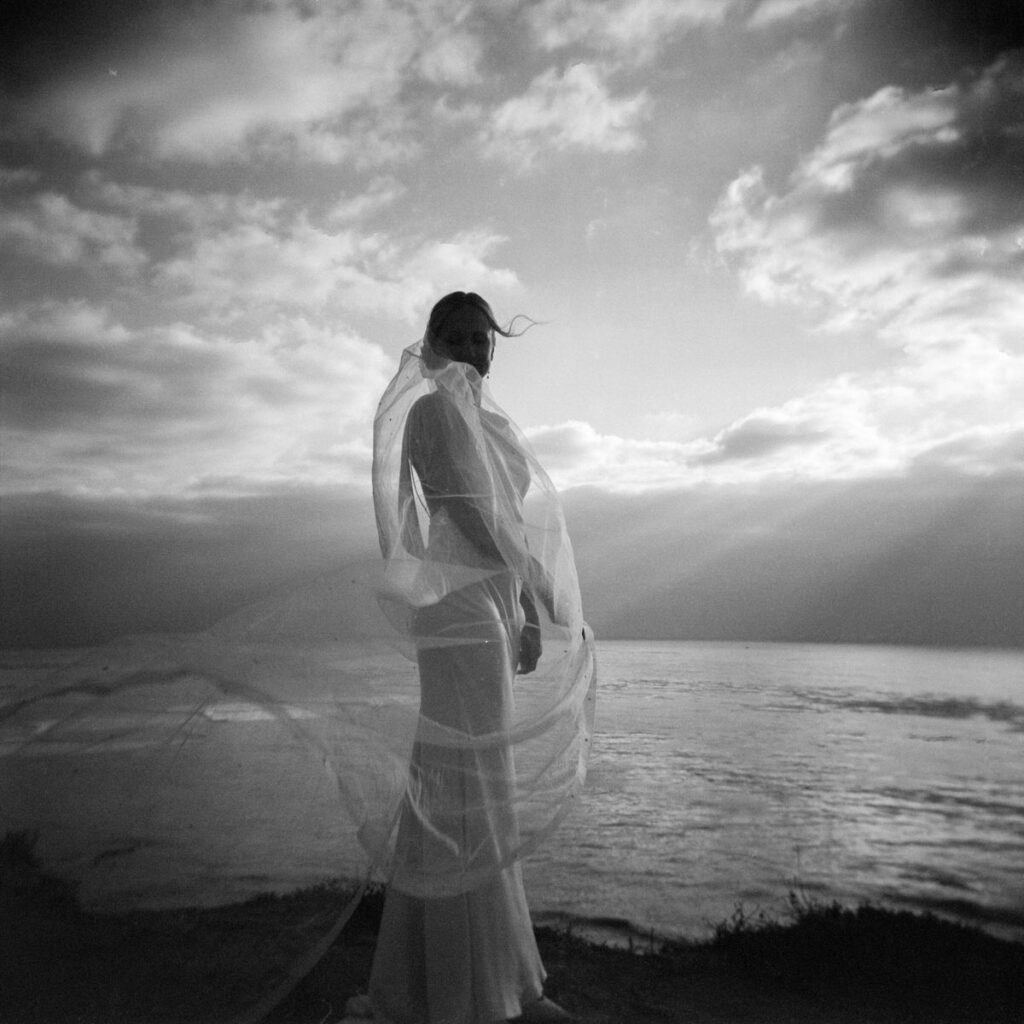
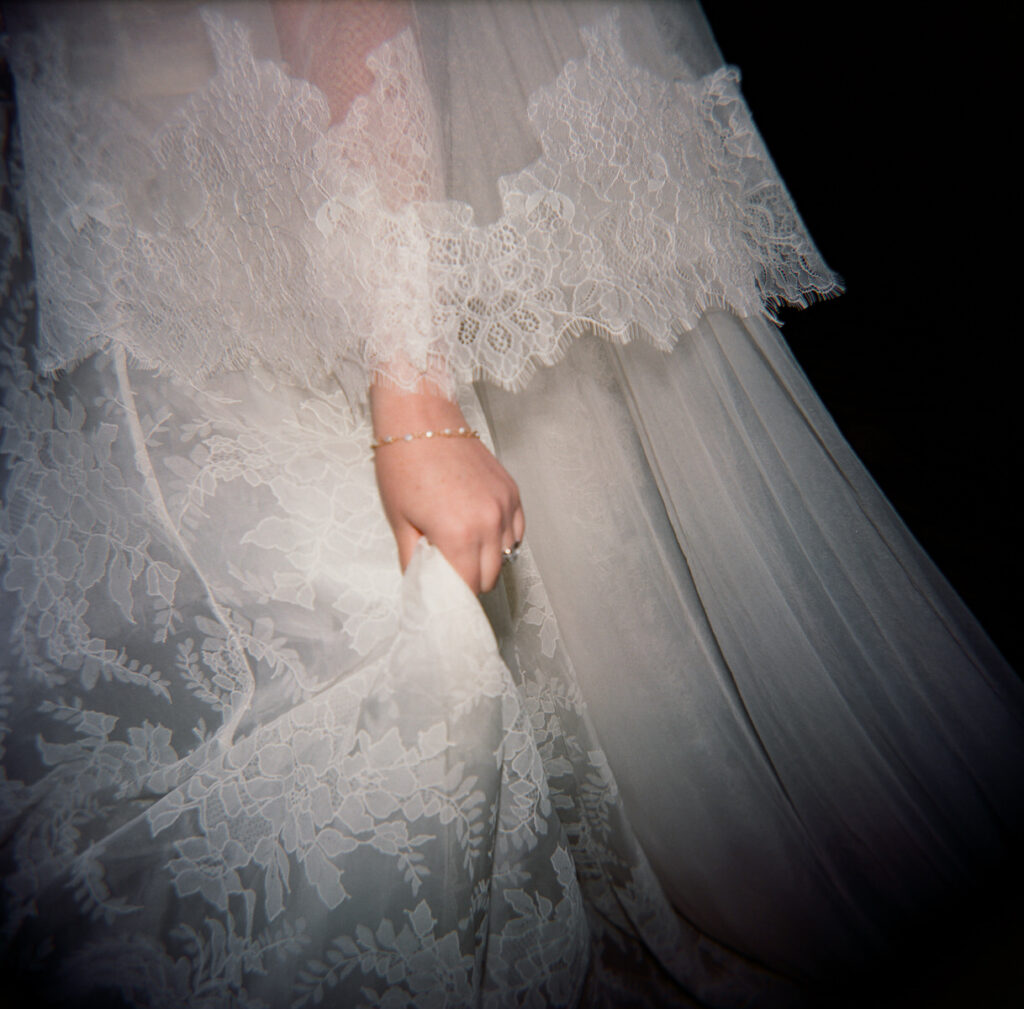
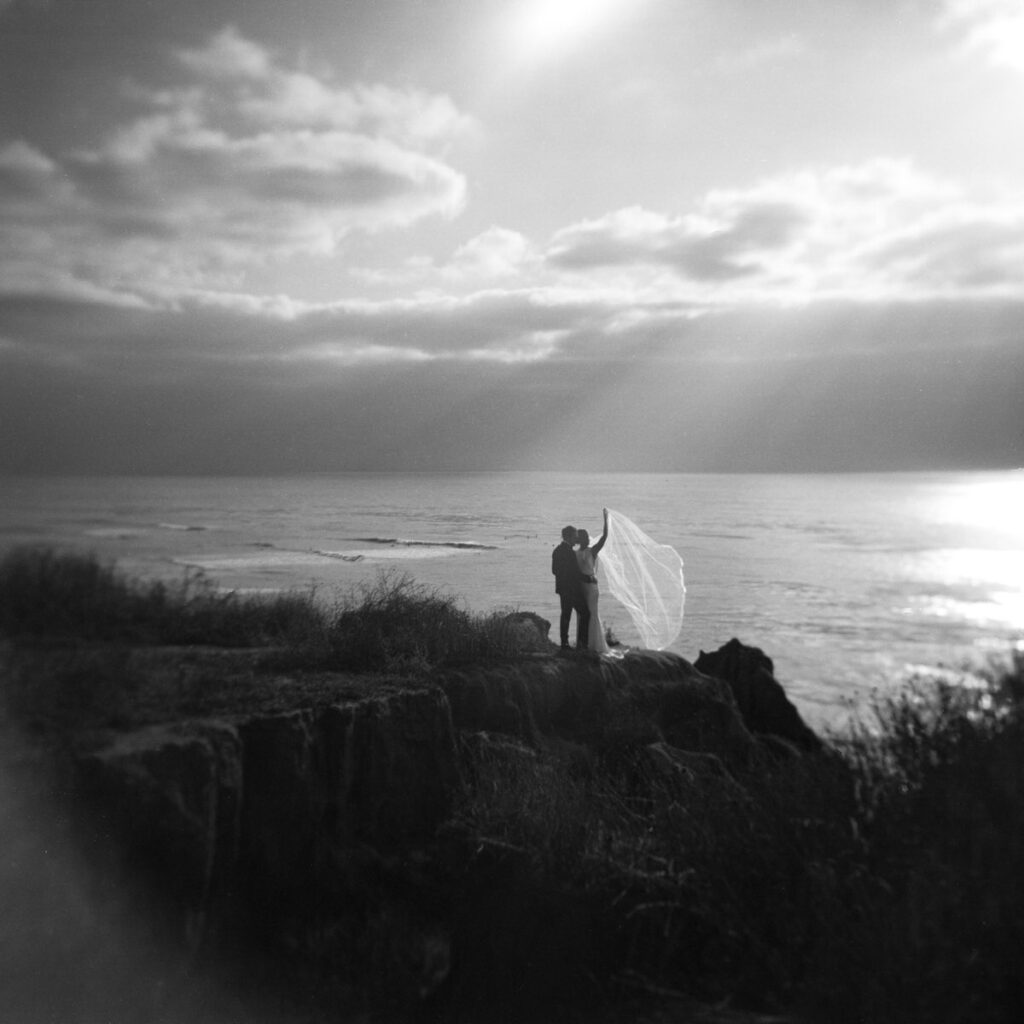
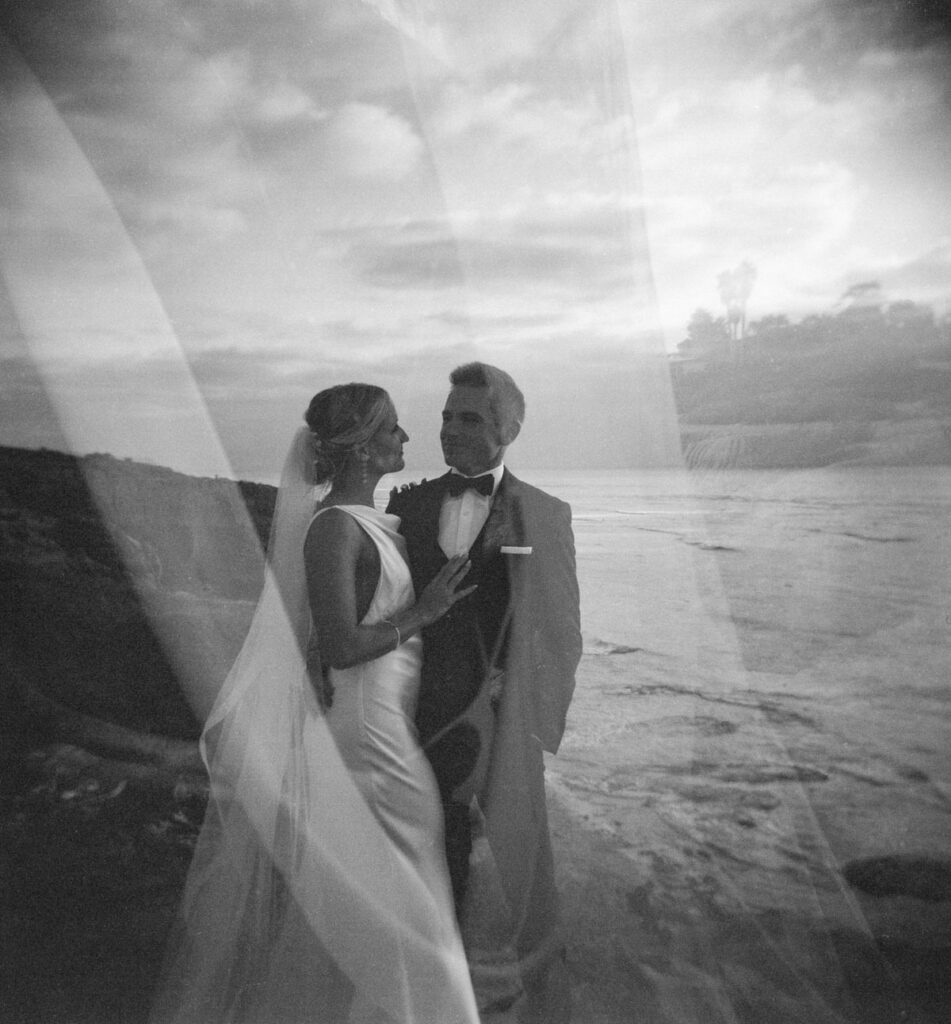
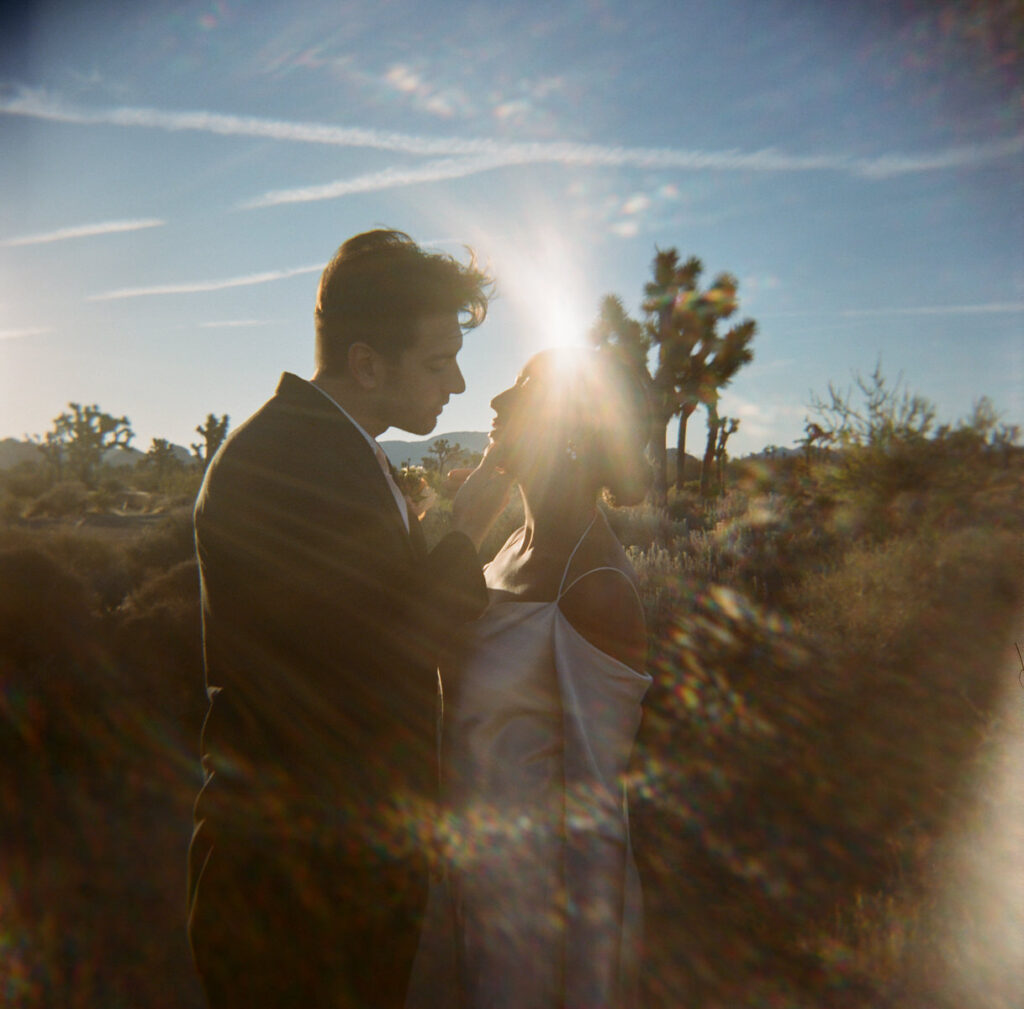
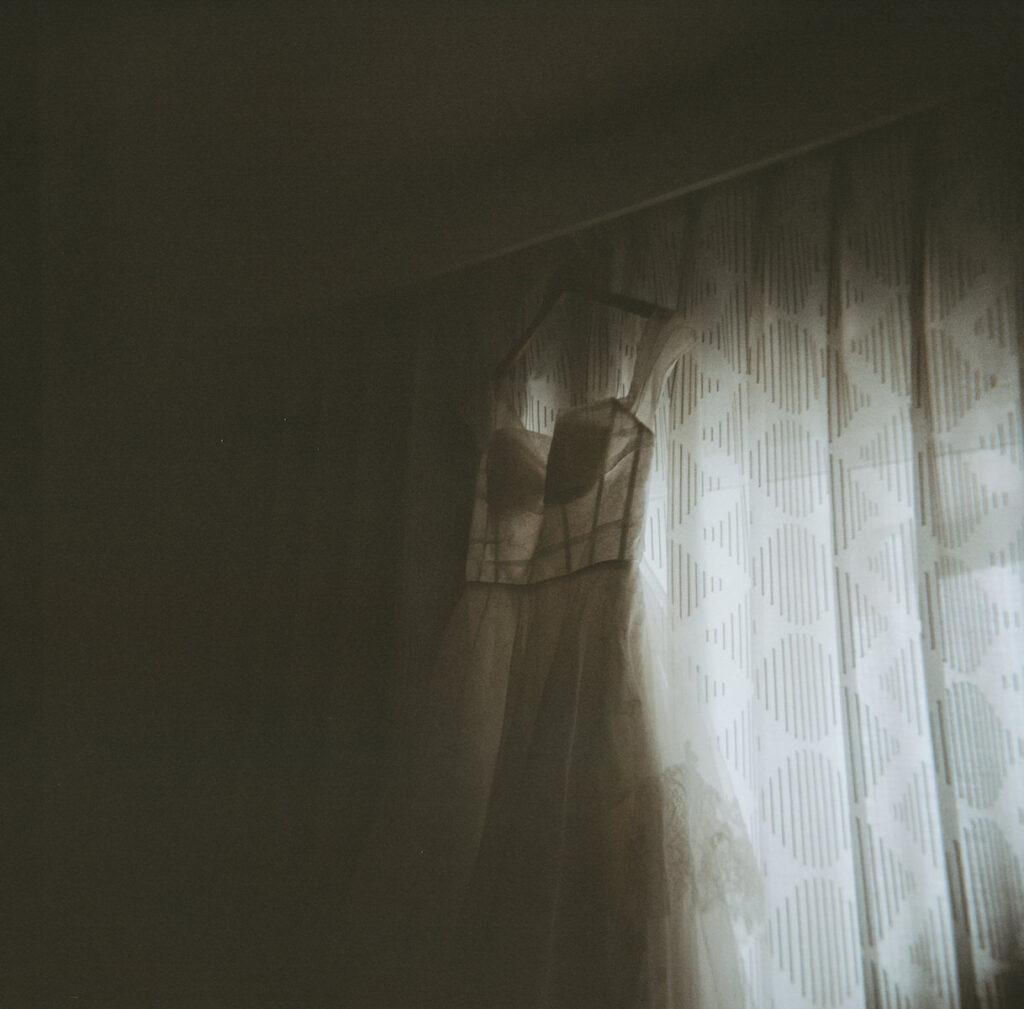
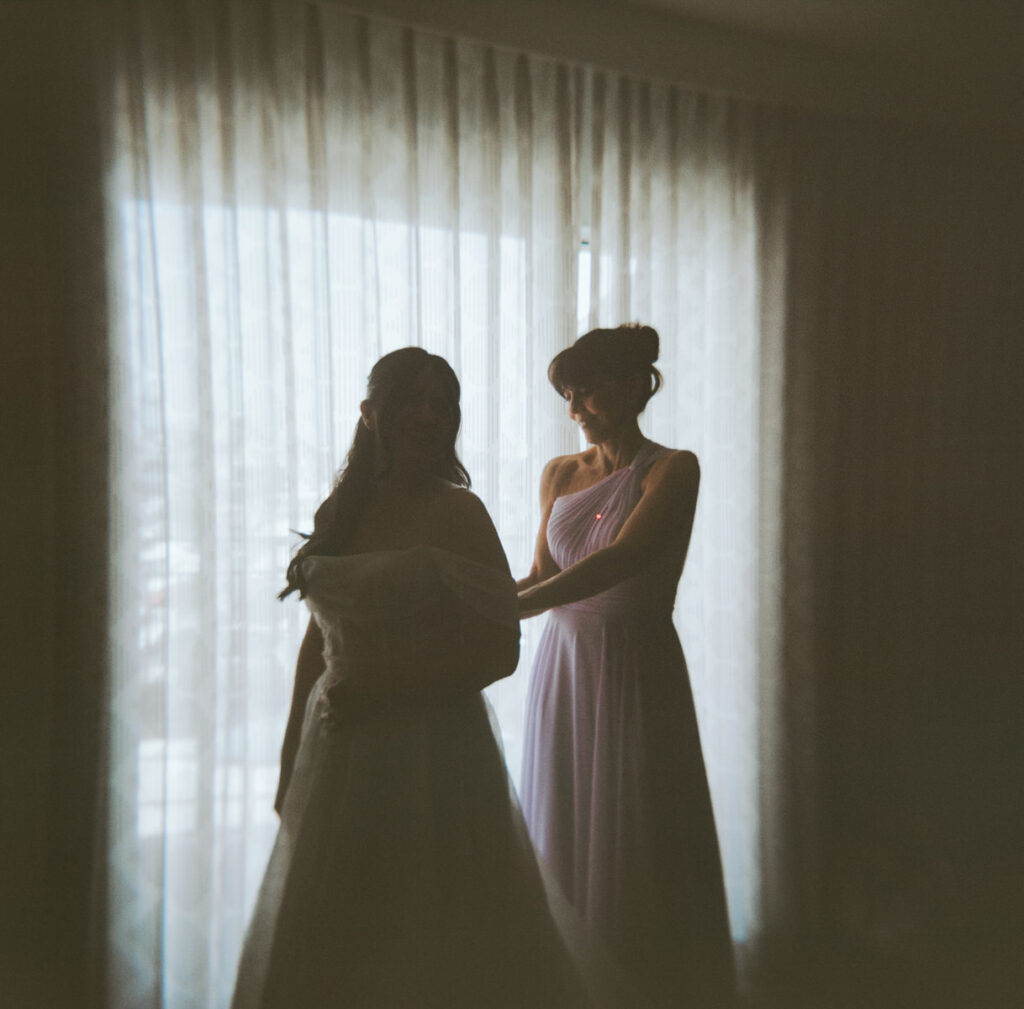
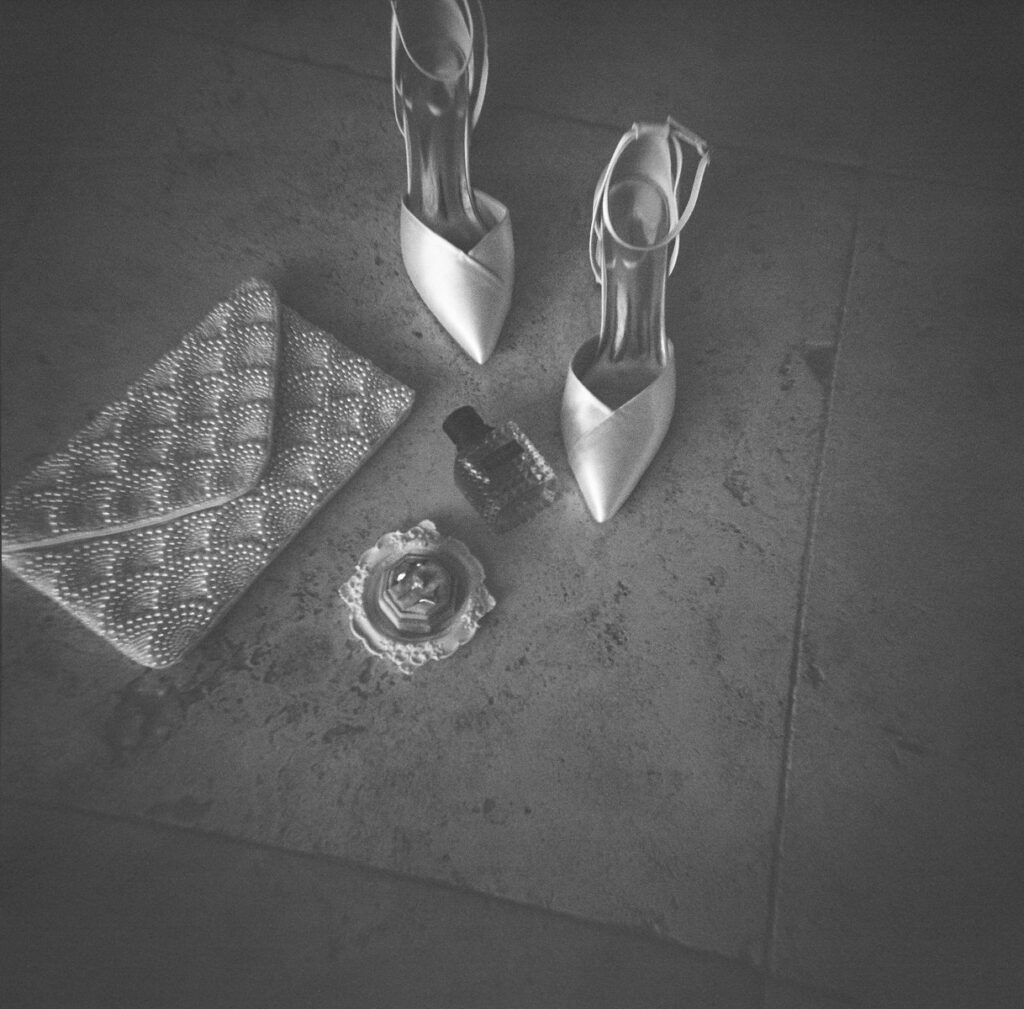
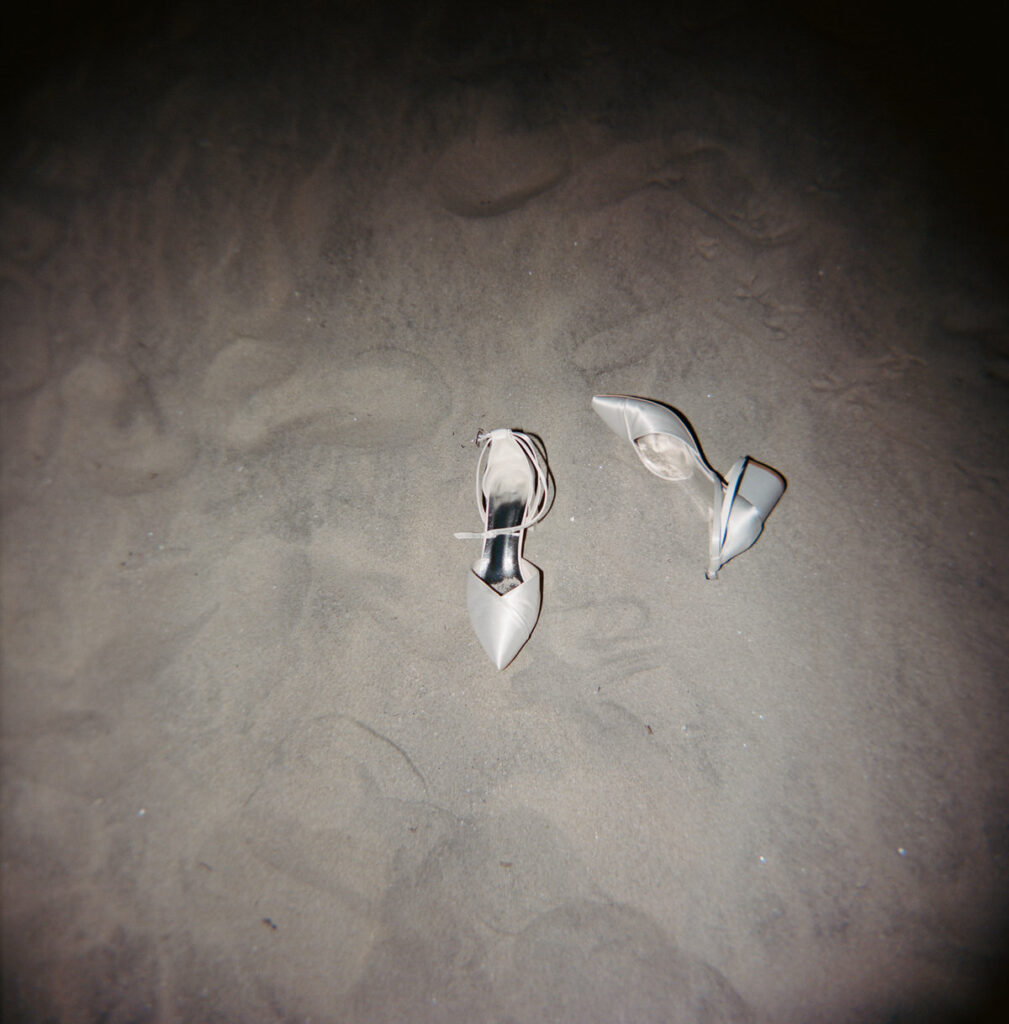
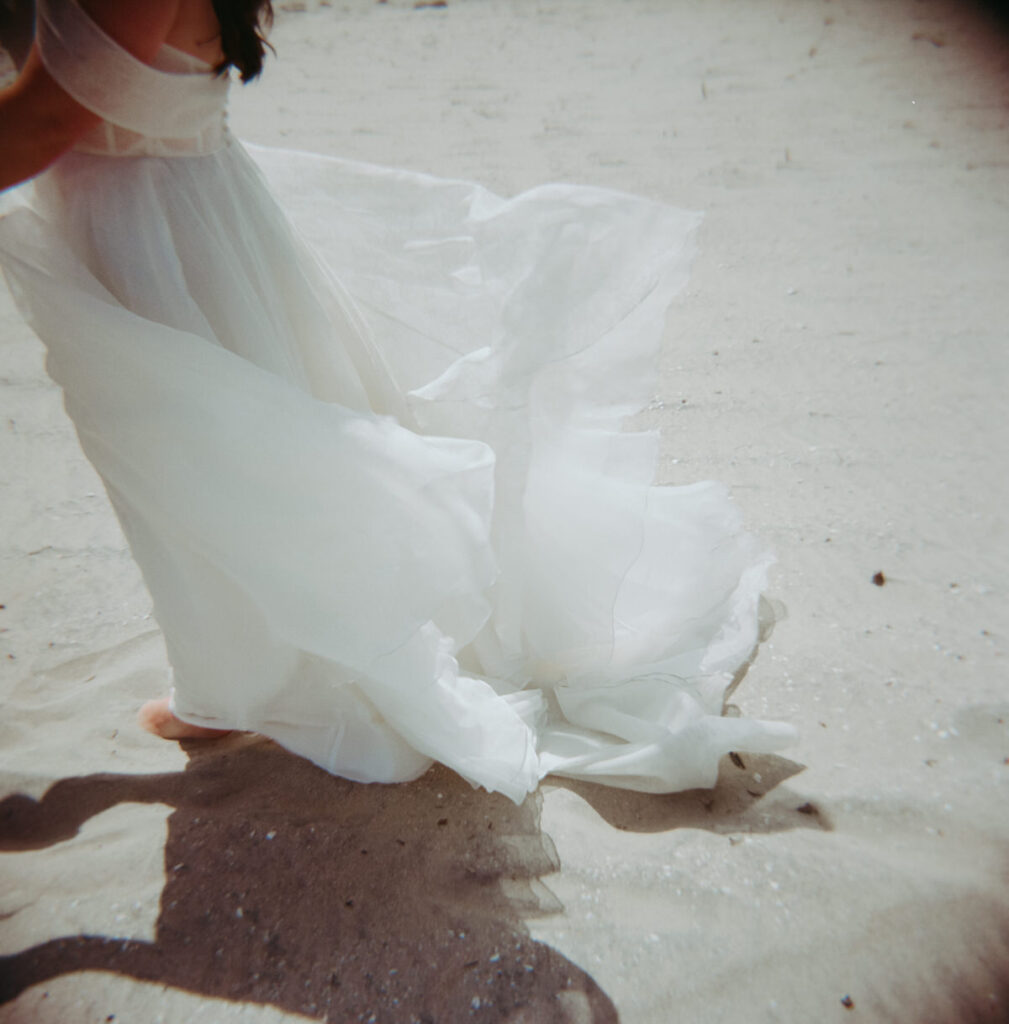
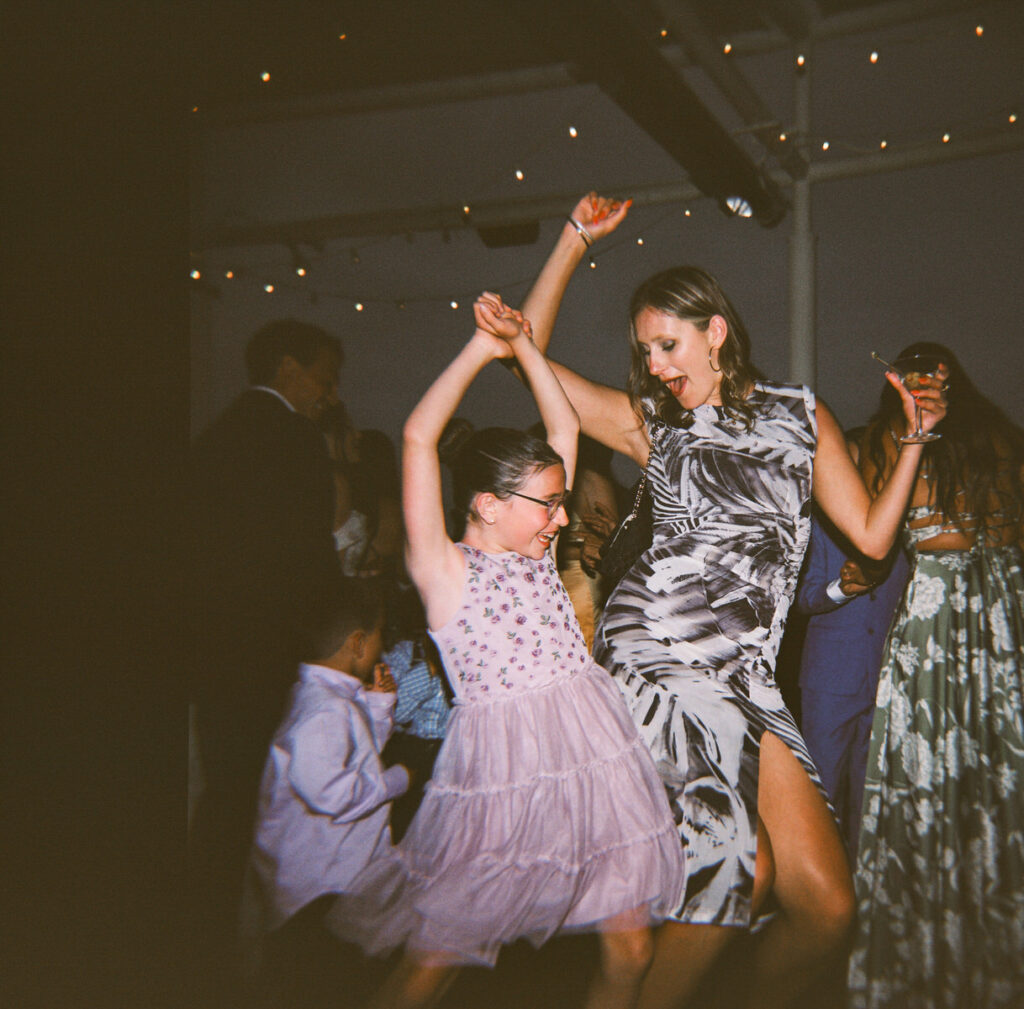
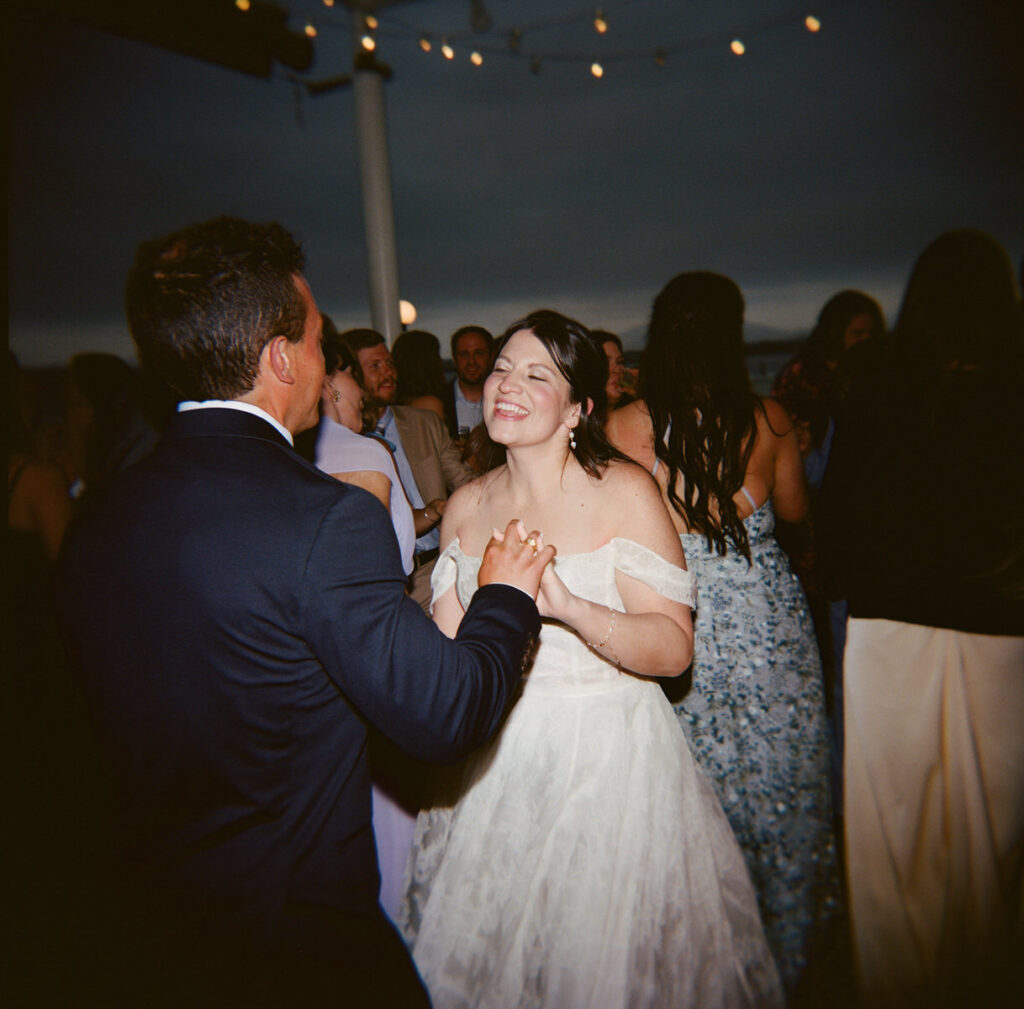
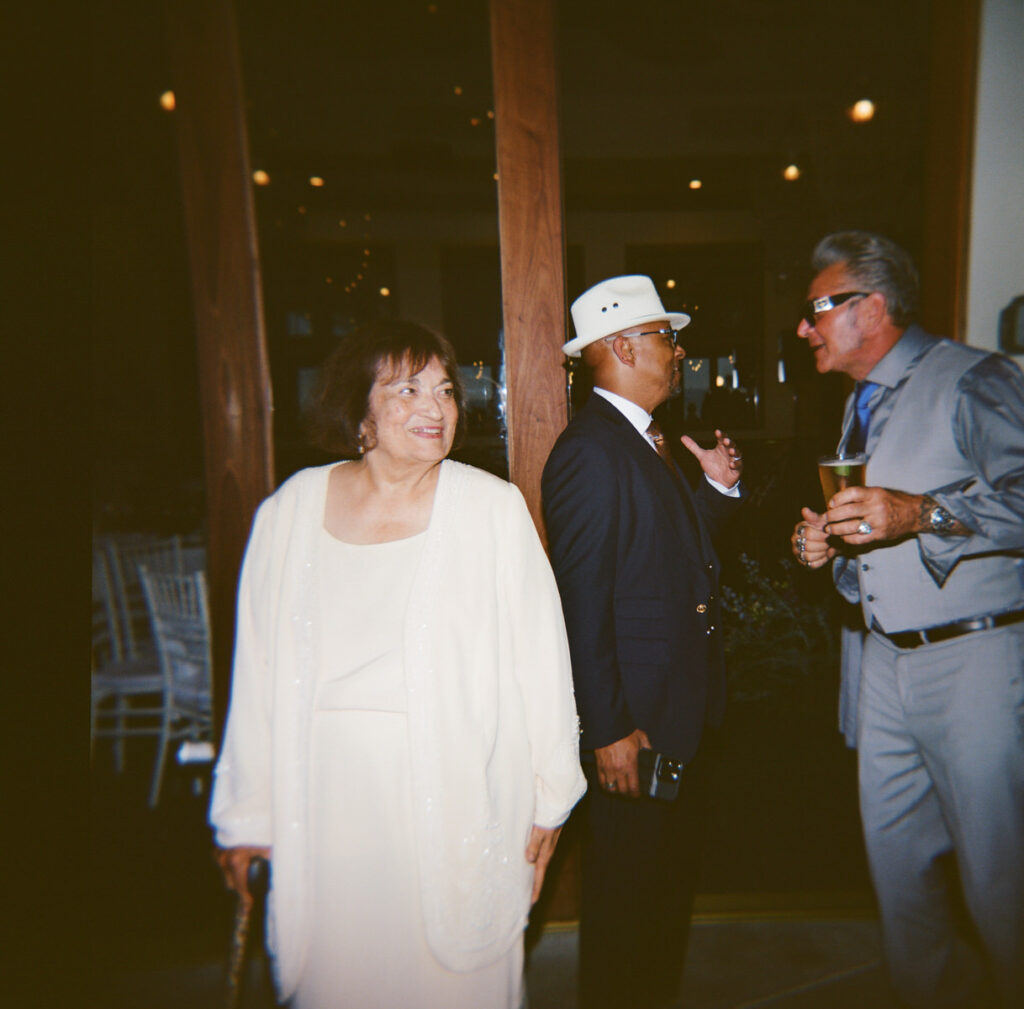
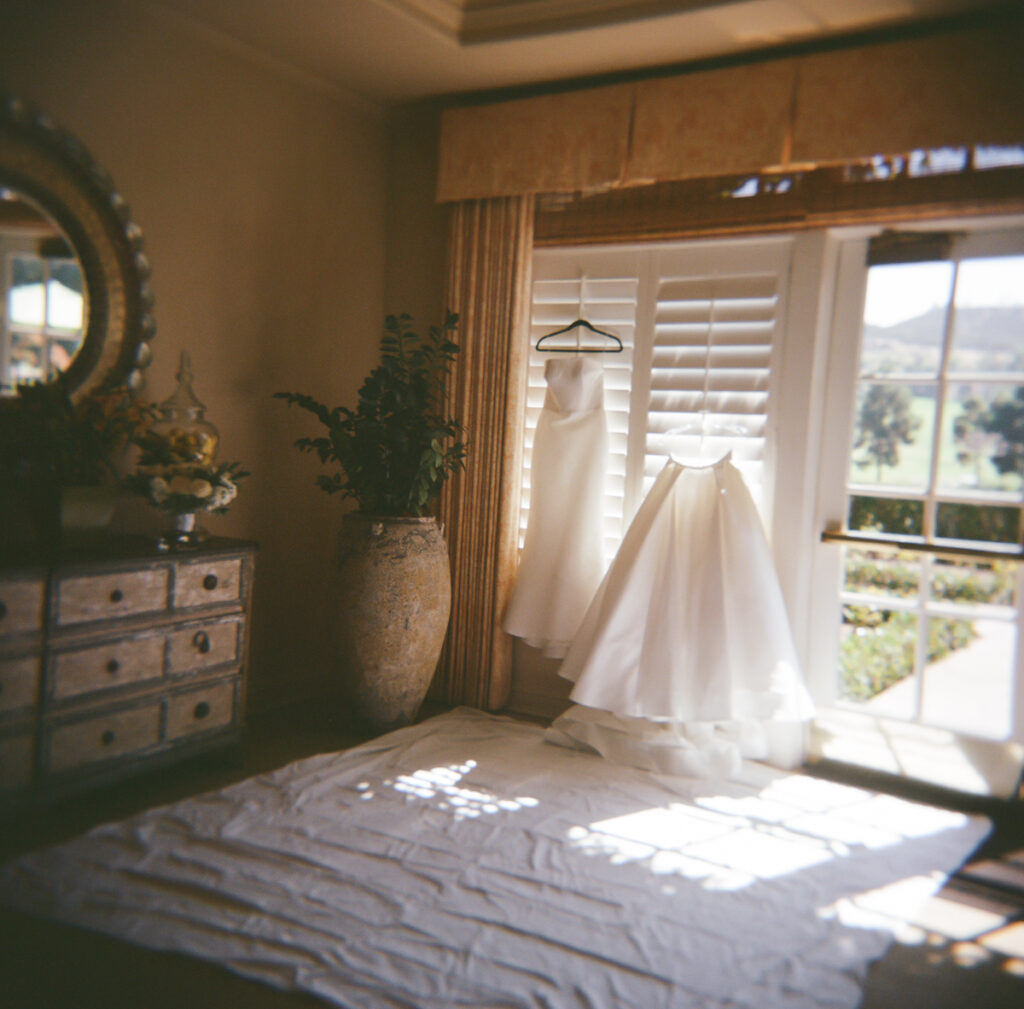
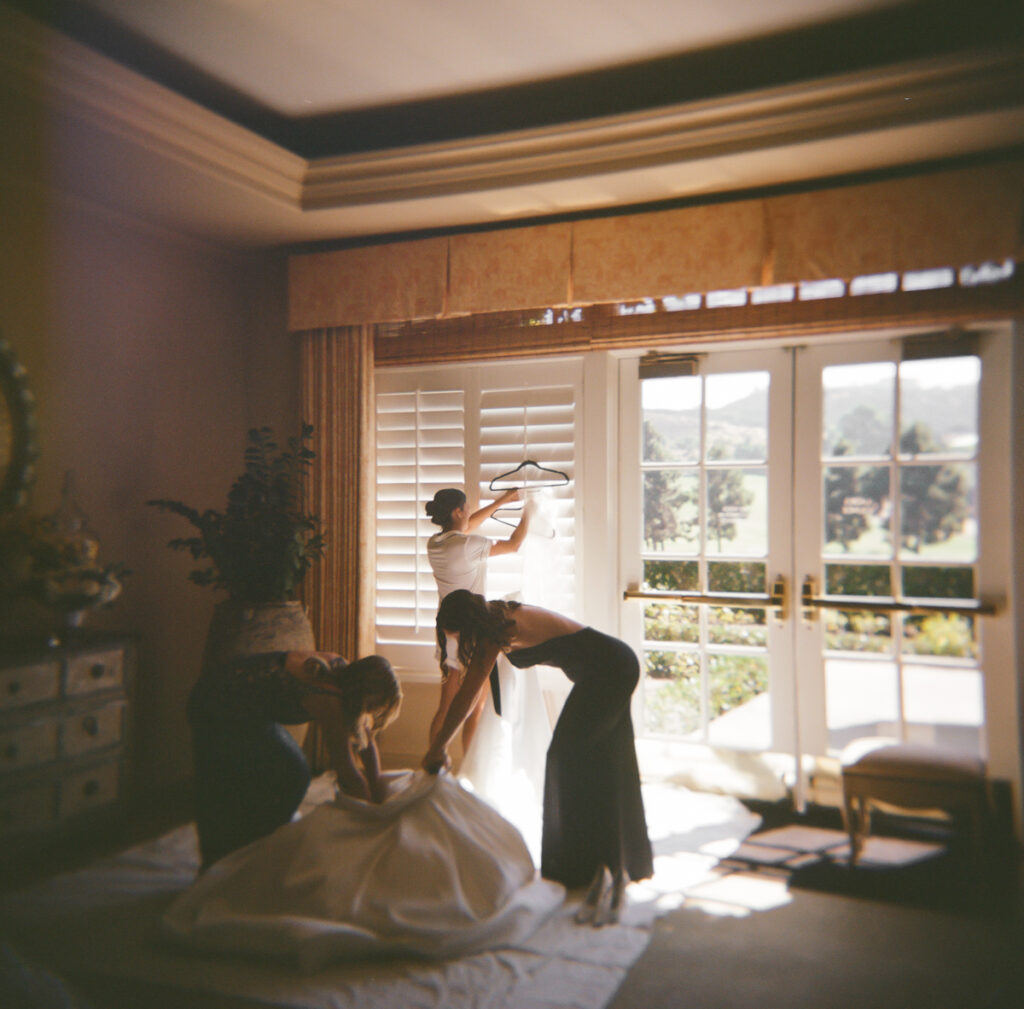
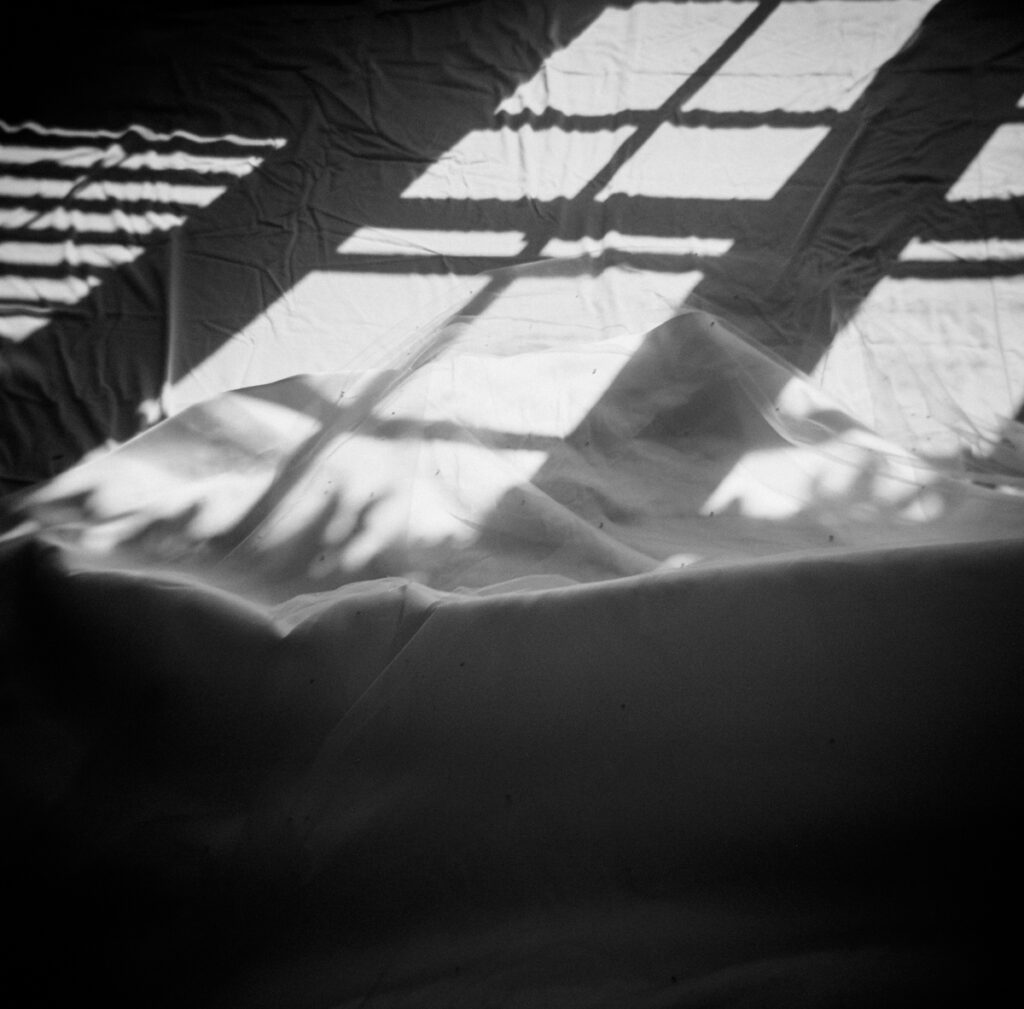
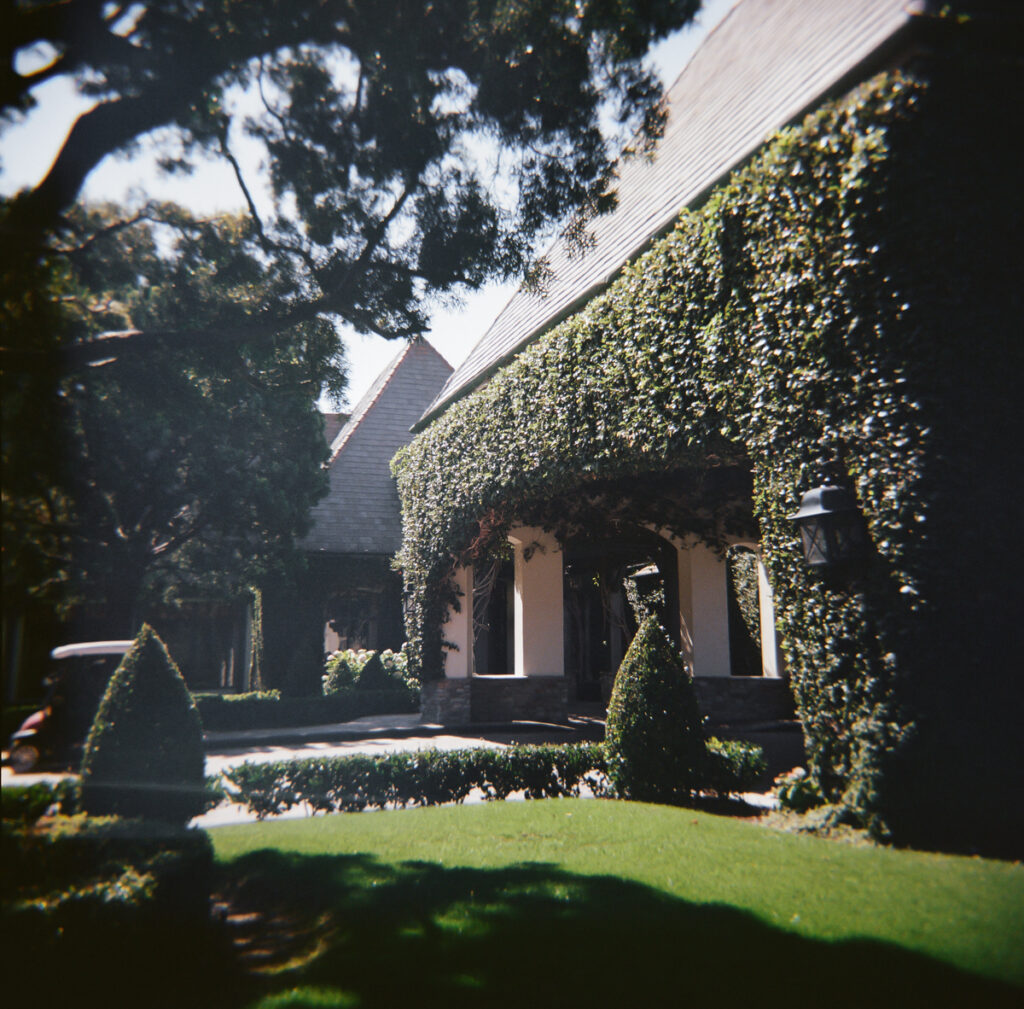
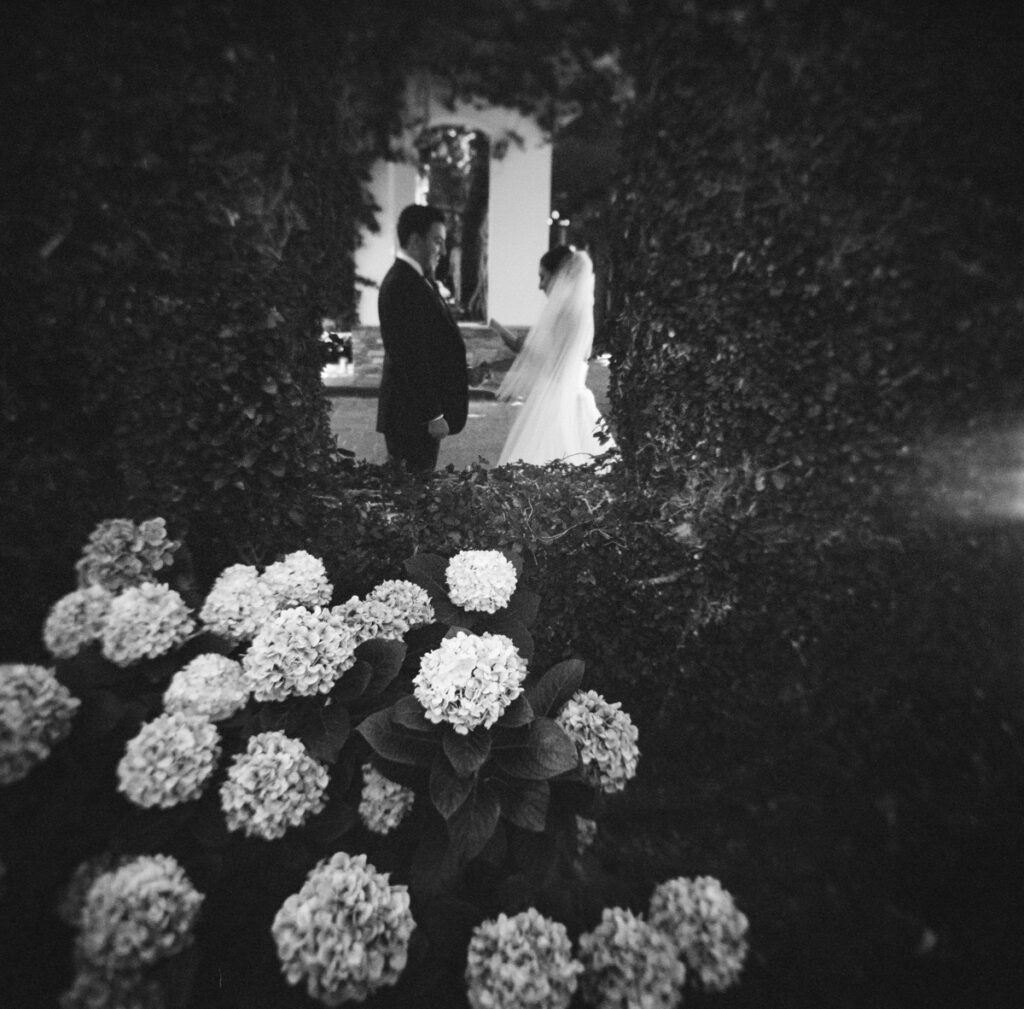
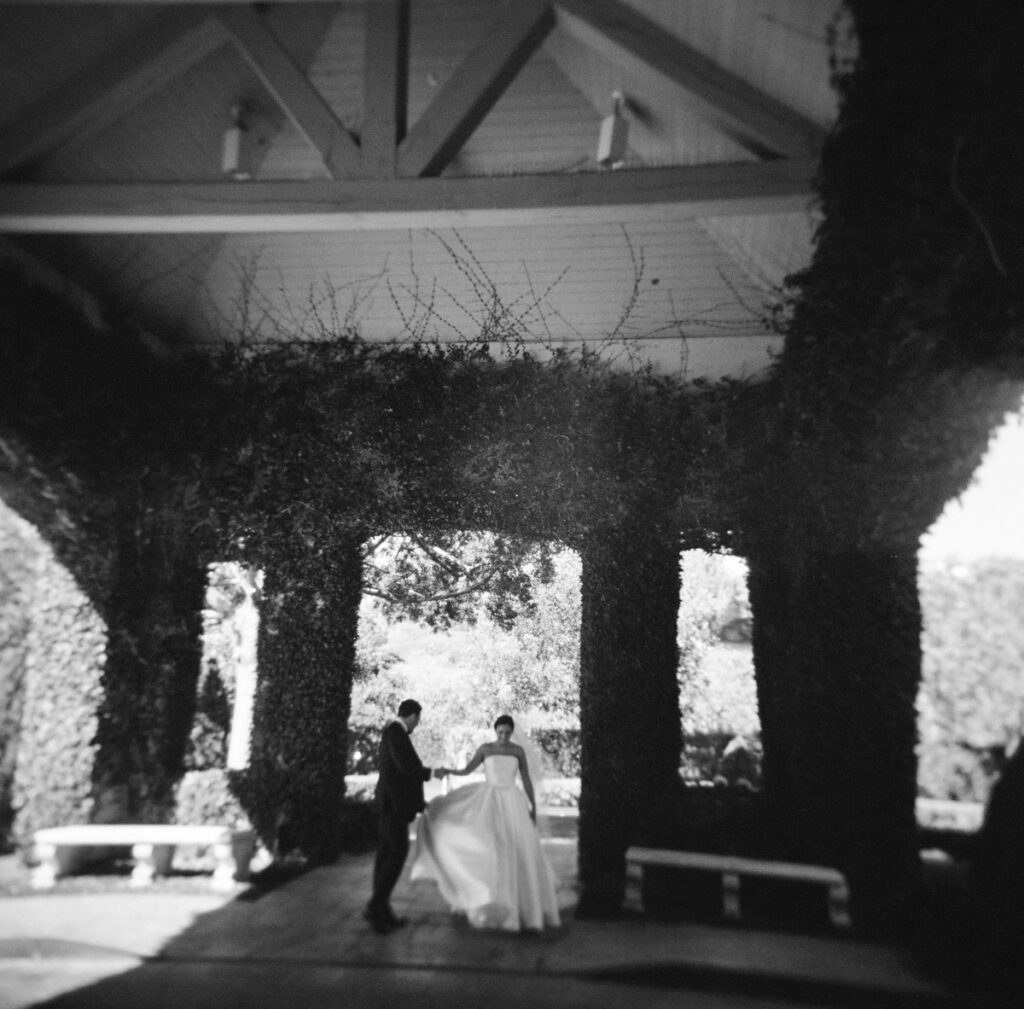
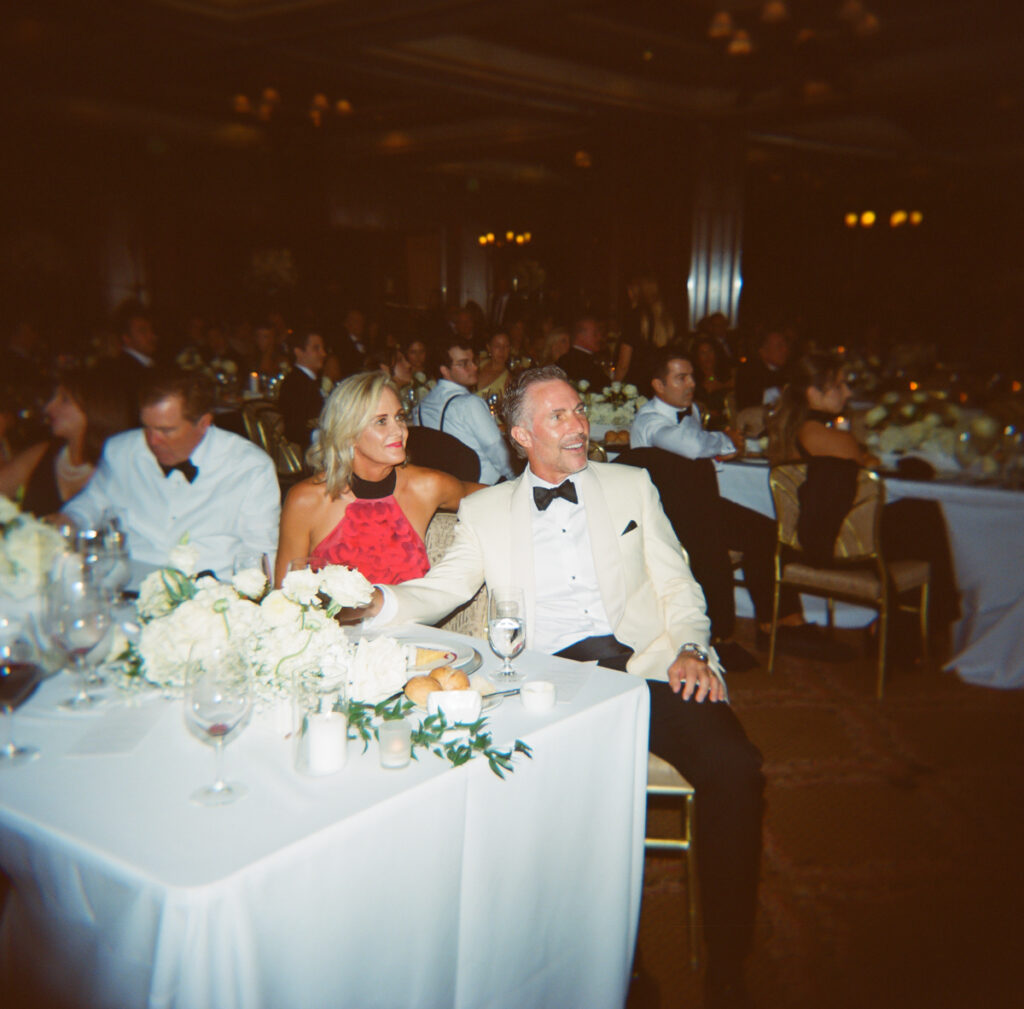
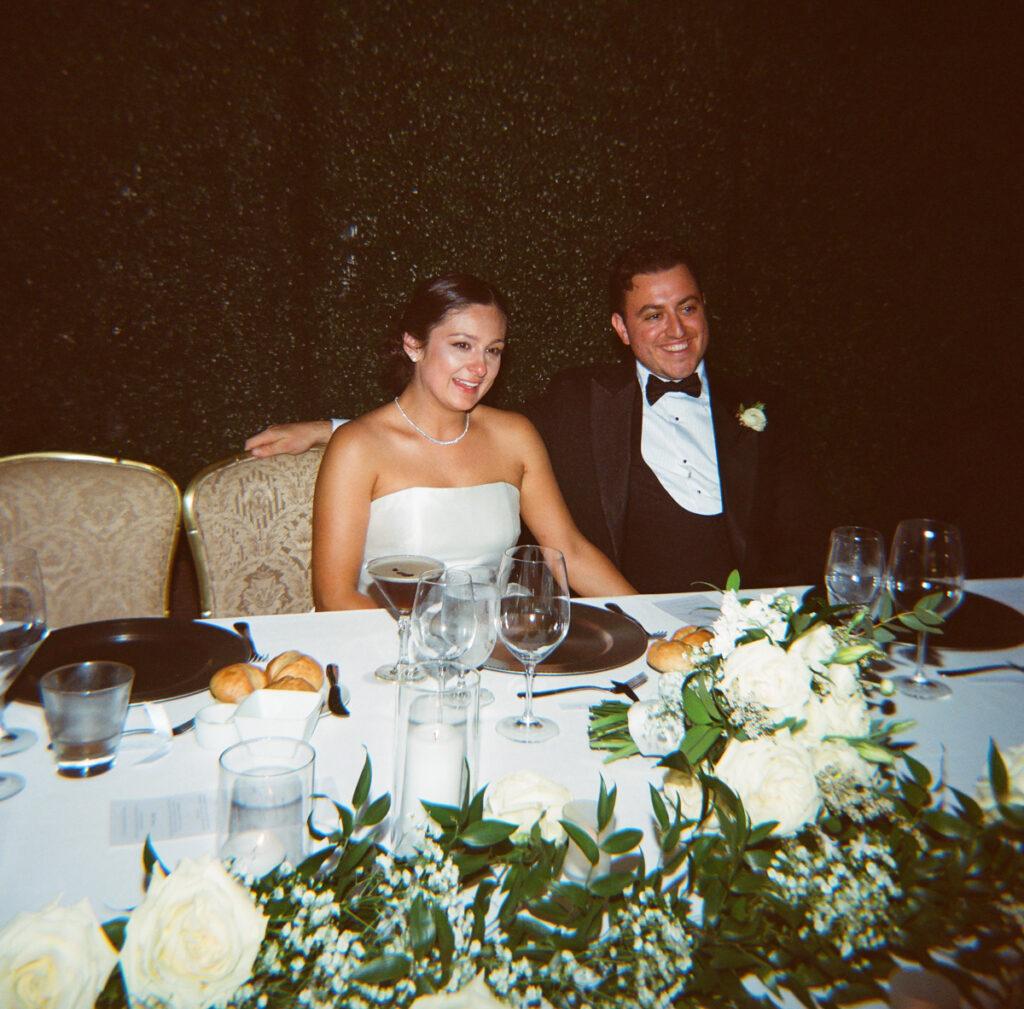
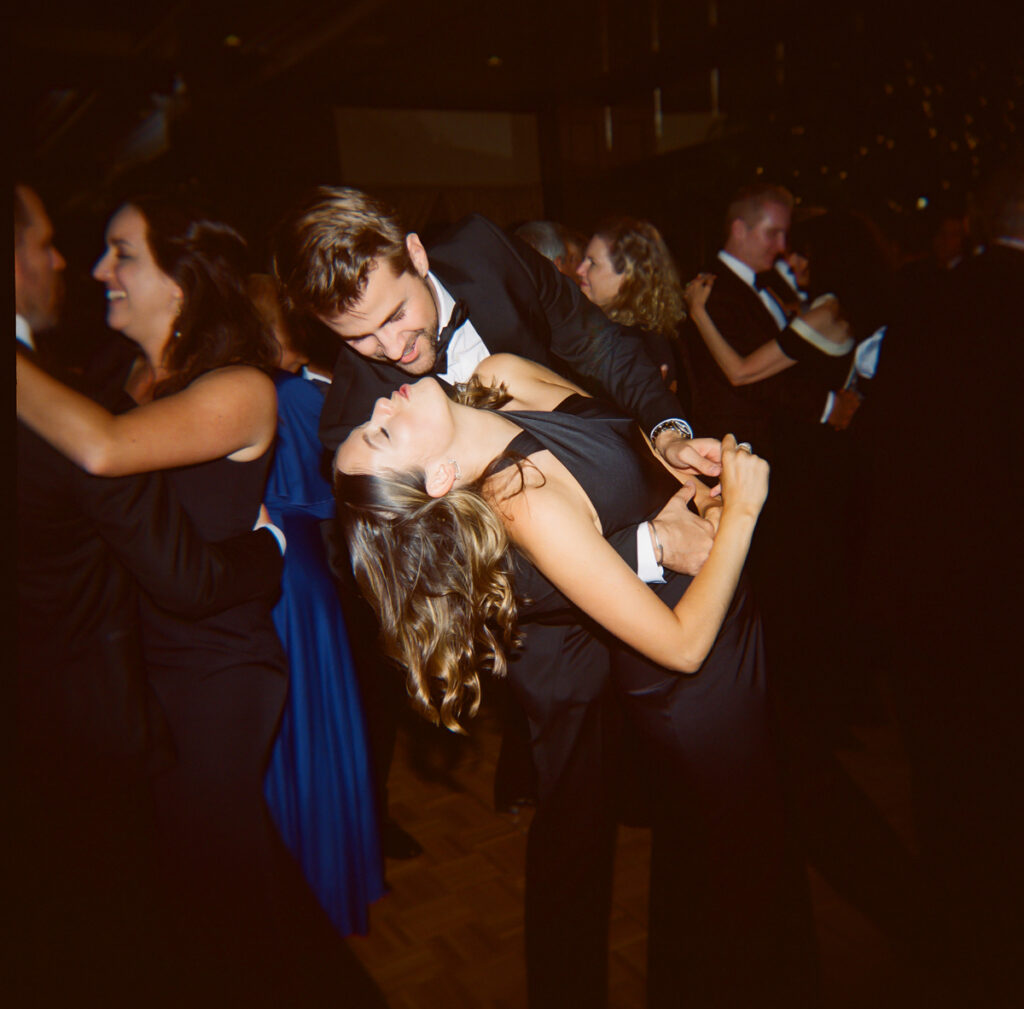
Soft light leaks bleeding in from the edges. Focus that’s close enough, not precise. A dreamlike haze that reads more like a feeling than a record of what happened. A Holga frame doesn’t announce itself, it sits quietly in a gallery next to the sharper digital images, and it’s usually the one people stop on longest.
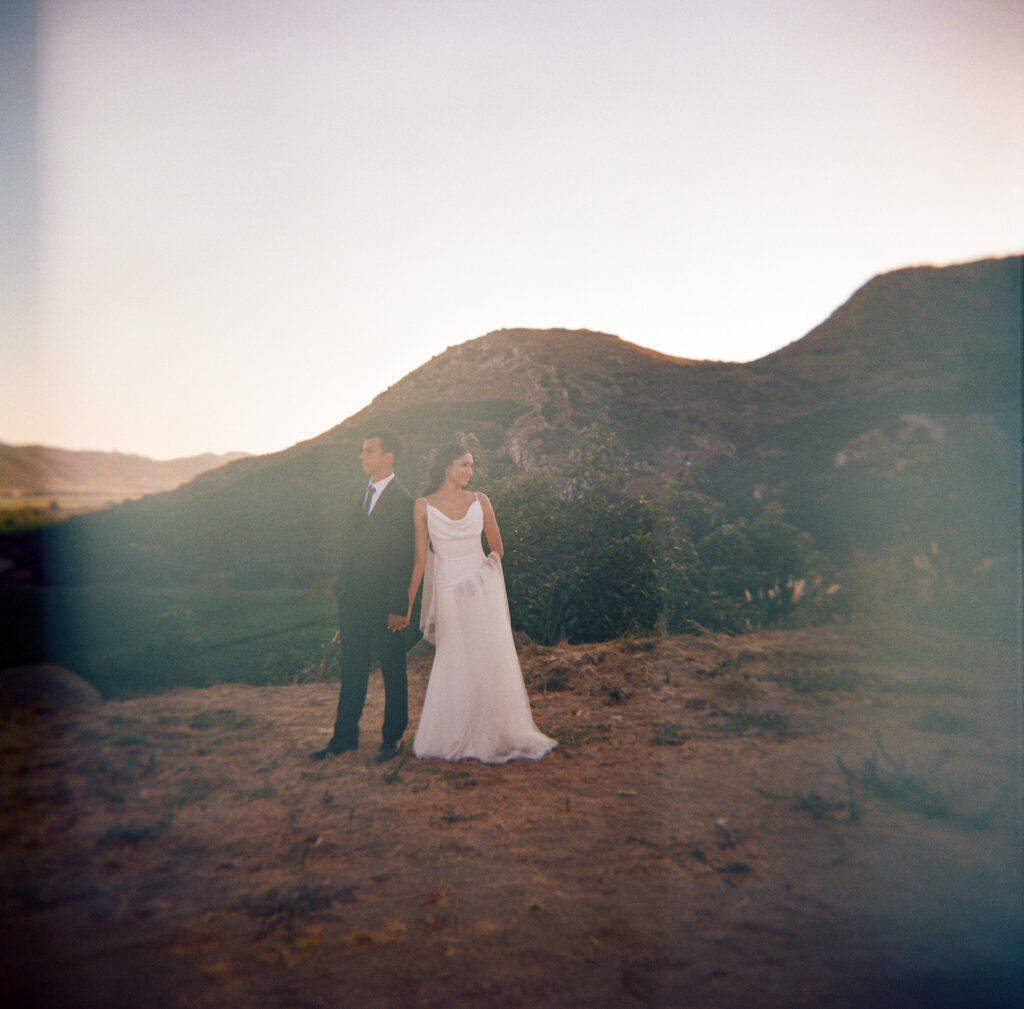
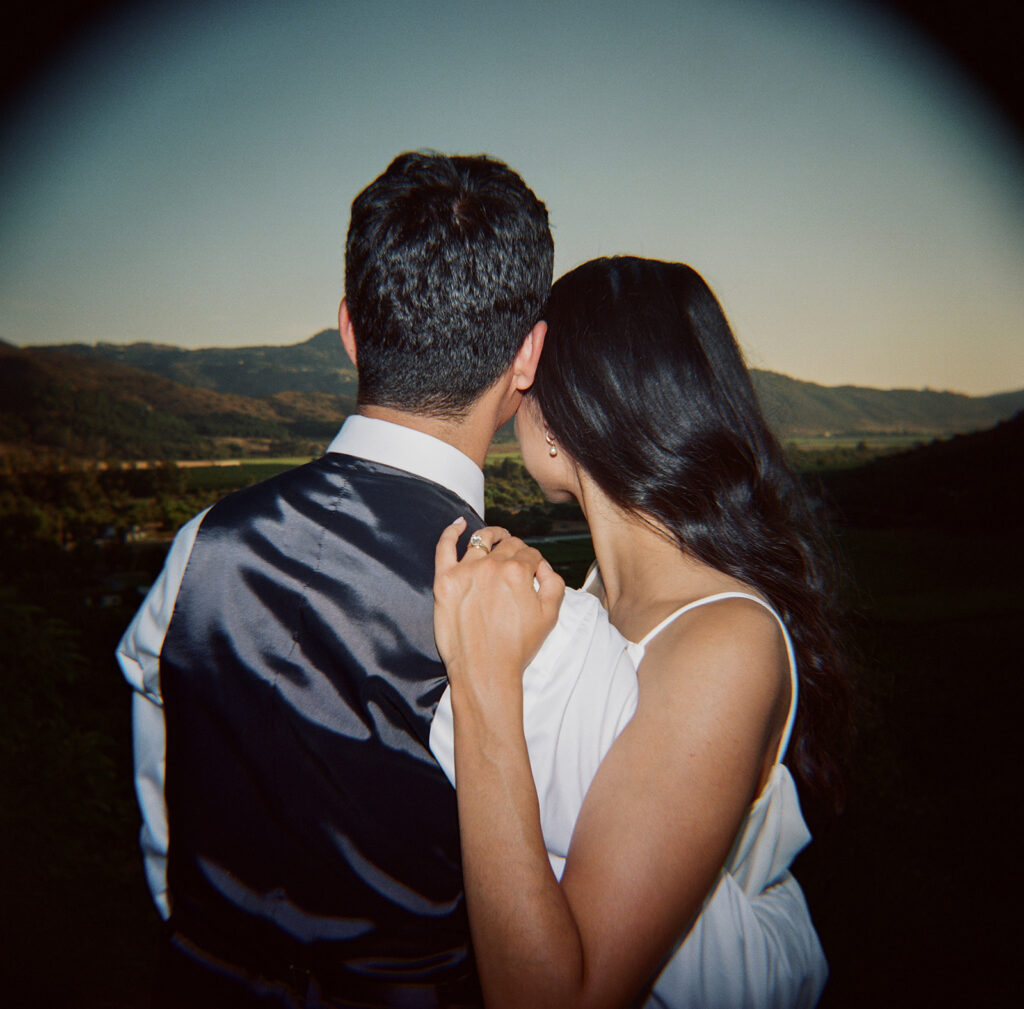
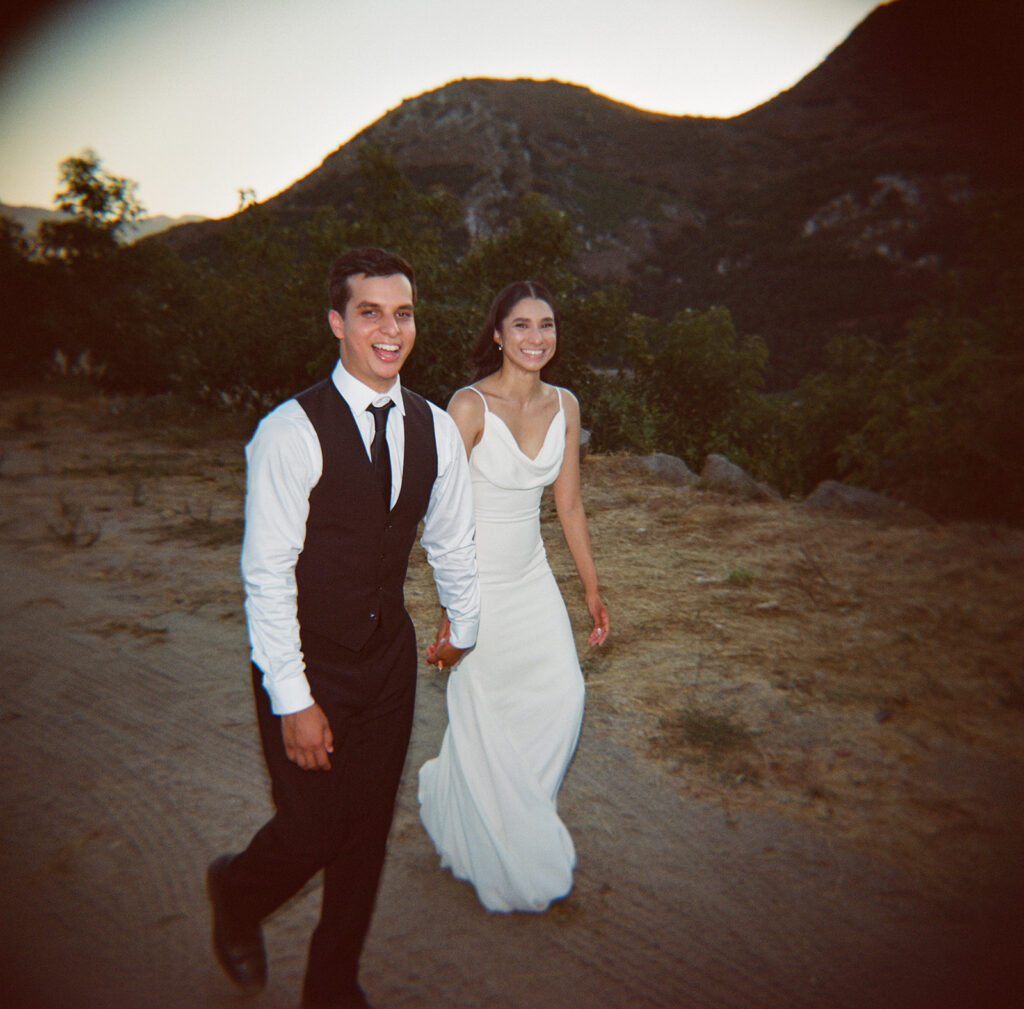
A Recent Wedding, Eight Frames
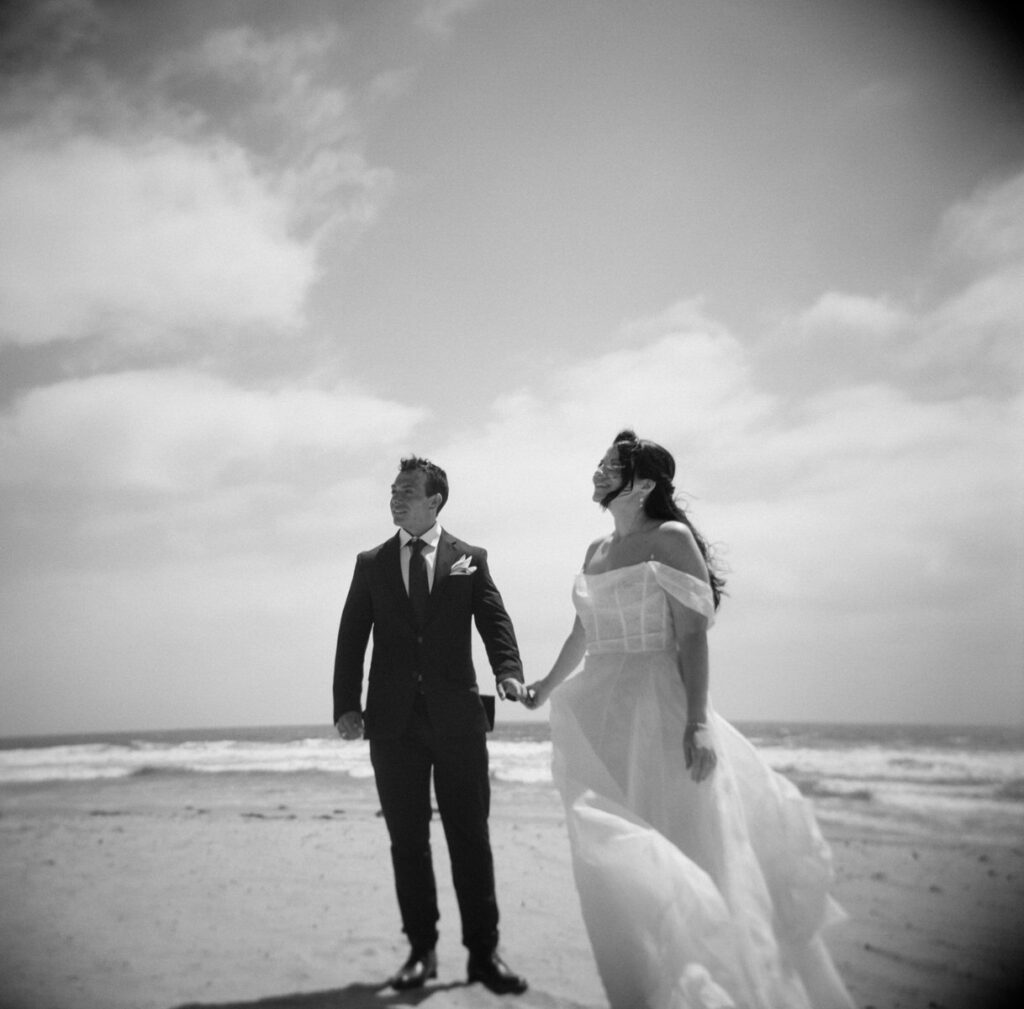
At a wedding here in San Diego, I brought the Holga out right after the ceremony. The nerves were gone, the light had gone soft, and the couple was still buzzing from the fact that they’d just gotten married. I shot maybe eight frames total. One of them, the two of them mid-laugh, backlit, just slightly out of focus, is one of my favorite images I’ve made, period, not just on this camera.
It’s not a technically perfect photo. The focus is soft, the exposure isn’t precise. It’s also exactly right for what that moment actually felt like.
Should You Add Holga to Your Wedding Coverage?
If you’re drawn to film, to nostalgia, to a gallery that feels like it was found rather than produced, it’s worth considering. I offer 35mm, medium format, Polaroid, and Holga alongside standard digital coverage, and we can build a hybrid package around what actually fits you. Ask about current add-on pricing when you inquire, since it depends on how much film coverage you want built into the day.
Frequently Asked Questions
Does Holga photography replace digital coverage? No. Digital and 35mm carry the full documentation of your day. Holga frames are a small, intentional addition, usually a handful of images with a completely different feel.
Will using a Holga mean you miss important moments? No. The Holga comes out for a few specific frames, not as the primary camera for the day. Your key moments are always covered on digital or 35mm first.
Does adding Holga cost extra? It depends on how much film coverage is built into your package. Ask about current add-on pricing when you inquire.
What do Holga photos actually look like in a finished gallery? Soft, slightly unpredictable, with light leaks and vignetting at the edges. They read more like a found memory than a polished photo, and they tend to stand out precisely because they don’t look like the rest of the gallery.
Can we request more Holga shots throughout the day? Yes, within reason. Since every frame is a bit of a surprise, I use it selectively rather than throughout the whole timeline, but we can talk about where you’d most want it during planning.
More Film Photography You’ll Love
- Why Film Wedding Photography Is Worth It: A Real Rancho Guejito Vineyard Wedding
- Sunset Cliffs Wedding: Shot on Film + Holga in San Diego
- Film vs. Digital: A Sunset Cliffs Session That Shows the Real Difference
- Browse the full blog for more
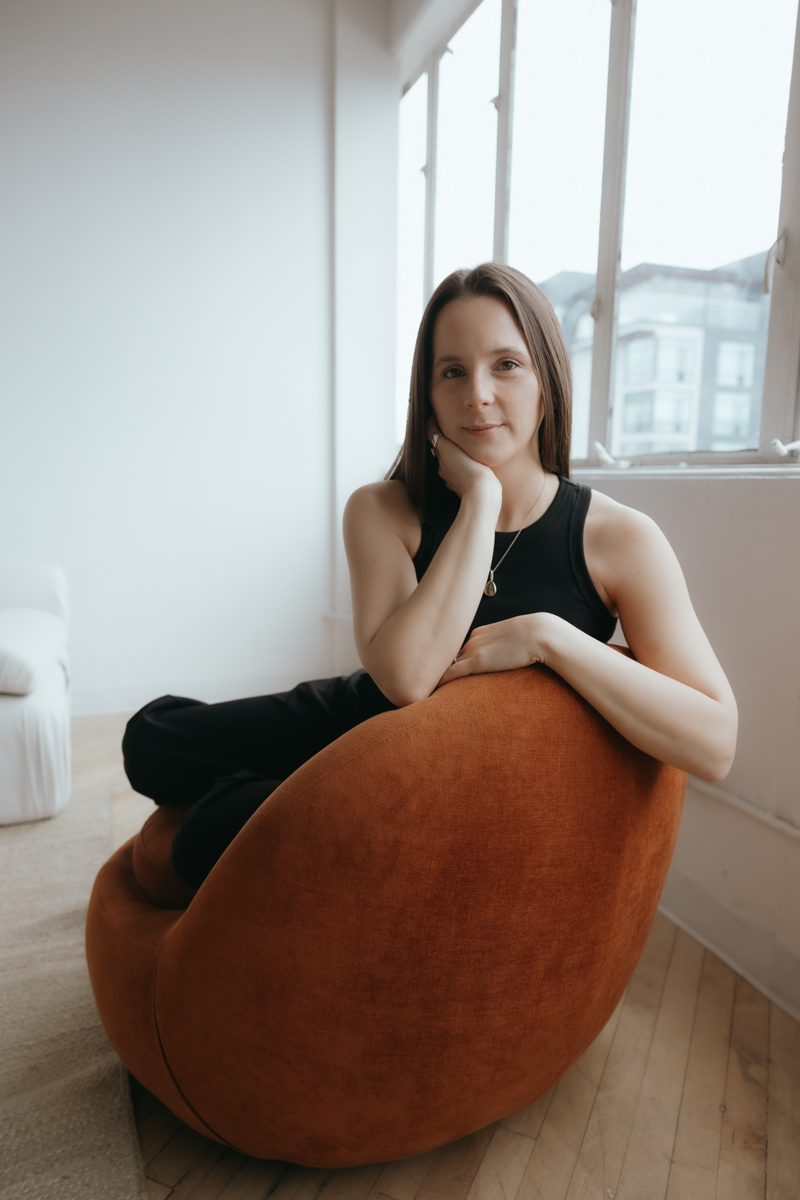
My photography is a blend of art, experience, and instinct, a little bit of this, a little bit of that. It started 22 years ago, the first time I stepped into a darkroom, a moment that sparked a lifelong pull toward capturing the world through a lens. That pull eventually led me into the fine art space, collaborating with artists, managing studios, and working alongside galleries and museums, studying art and photography through both undergraduate and graduate school, where my aesthetic developed under the influence of critical theory and contemporary art. I found myself drawn to the intersection of documentary photography and the spontaneous, unfiltered moments of real life. My goal has always been the same: images that are raw, honest, and deeply human.
I founded Teresa LoJacono Photography in 2013, and started experimenting with wedding photography in 2019, on purpose, and differently than what I’d been trained to expect from the industry. Travel plays a huge role in my creative process too, I find inspiration in the unfamiliar, letting light, movement, and emotion guide my eye. With a camera in hand, everything becomes a canvas and a chance to catch what’s actually happening, not what’s staged for it. If there’s one belief that’s driven all of it, it’s this: have fun, and let it be what it’s going to be. I’ll be there to catch whatever happens.


