
A Film Wedding at Rancho Guejito Vineyard
Why Film Photography Is More Than Just a Trend
Marisa and Matthew got married on a warm afternoon in San Diego, then drove out to Rancho Guejito Vineyard in Escondido for the rest of the day. They didn’t want a wedding that felt like a photoshoot. They wanted to actually be there. That’s the whole reason this gallery is half film.
I shot their day on 35mm and medium format alongside digital, the way I shoot every wedding. Film slows me down. It makes me more selective and more present, and that changes how I photograph, not just how the images look. Nothing here was staged for the camera. I was watching for it instead.


Why Marisa and Matthew Chose Rancho Guejito
They wanted somewhere that didn’t need much help looking beautiful. Rancho Guejito gave them that. Olive trees, rolling hills, warm California light, a working vineyard instead of a built set. It’s the kind of place where you can hand a couple champagne and just let the afternoon happen.
That matters for how I work too. A location like this does half the job for me. I’m not creating drama out of nothing, I’m watching real light move across a real hillside while two people who are already comfortable with each other stand in it.


Inside the Day
Ceremony at a San Diego Church
Marisa and Matthew were married in a Catholic ceremony in San Diego, full of the kind of quiet detail that gets missed if you’re not paying attention: the stained glass light falling across the aisle, the exact moment a parent’s face changes during the vows. After the ceremony, I pulled them aside in the aisle for a few quick black and white film portraits while guests were still filing out. That’s it. No separate photoshoot moment, no pulling them away from their own wedding. Just two minutes, then back to their day.
Cocktail Hour Under the Olive Trees
Cocktail hour happened under string lights and olive trees, terra cotta and cream and sage running through the decor. This is where film does some of its best work. It holds warm tones the way digital sometimes flattens them. I wasn’t posing anyone here, I was moving through the crowd catching toasts and hugs as they happened.
Portraits at Sunset
Marisa and Matthew wanted a handful of real portraits, and that’s part of the day too. I’m not against posing, I just don’t build the whole wedding around it. When it’s time for portraits, I tell you exactly what to do and it’s quick and easy, not awkward. The rest of the day stays untouched. At Rancho Guejito, sunset meant open sky, wind in the veil, and enough golden light that the medium format frames alone were worth the film.
Reception Under the Stars
By reception, the light was gone and the night took over, candlelit tables, string lights, guests barefoot on the gravel by the end of the night. Toasts, first dances, the parts of the day nobody plans for but everyone remembers. I stayed out of the way and let it run.
About Rancho Guejito Vineyard
Rancho Guejito Vineyard sits in Escondido, about 45 minutes from San Diego, on a historic property with mountain views and rows of olive trees. It’s a strong option for couples who want a working vineyard setting instead of a built venue.
- Scenery: historic vineyard, mountain views, olive trees, warm California light
- Portrait spots: vine covered paths, the oak grove, and the stone steps are especially good for golden hour
- Reception spaces: outdoor courtyard, vineyard lawn, or the indoor barrel room
- Website: rancho-guejito-winery.com
- Contact: events@rancho-guejito-winery.com
Guest capacity and current site fees vary by season and package, confirm those directly with the venue.


My Approach to Photographing at Rancho Guejito
I shoot hybrid, film and digital together, so the gallery has both the clarity of digital and the texture of film sitting side by side. My job on a wedding day is to watch, not direct. I’m not building your day around getting photos, I’m in it with you, and I step in only when it actually helps. If you want portraits, we do them, quickly and without turning the day into a shoot. If you don’t, I’m just there, watching for what’s real.
If you’re planning a wedding anywhere in San Diego and want to know more about how I work day to day, my San Diego wedding photographer page has the full picture.
Frequently Asked Questions
Is shooting on film risky? There’s a level of trust involved, and that’s part of what makes it feel honest. Film has been part of my process since I first picked up a camera over two decades ago, and I know how to use it well.
Will I feel like I’m in a photoshoot all day? No. I’m not building the day around getting photos. I’m in it with you, quietly, and I step in only when it genuinely helps. The rest of the time, you’re just at your wedding.
What if we want real portraits, not just candids? That’s part of the day too. When it’s time for that, I’ll tell you exactly what to do and it’ll be quick and easy. The rest of the day stays untouched.
How many photos will we get, and how long until we see them? Around 600 to 700 images for a full wedding. Preview gallery in 1 to 2 weeks, full gallery in 8 to 10 weeks.
More San Diego Venues You’ll Love
Browse the full blog for more venues
See more candid coverage at The Lafayette Hotel
Meet Your Photographer
Hi, I’m Teresa. It started 22 years ago, the first time I stepped into a darkroom. I started experimenting with wedding photography in 2019, on purpose, and differently than what I’d been trained to expect from the industry. I didn’t want to shoot the overly posed, overly perfect version of a wedding day. If there’s one belief that’s driven all of it, it’s this: have fun, and let it be what it’s going to be. I’ll be there to catch whatever happens.
Thinking about film coverage for your own wedding? I customize every wedding to match what you actually want, whether that’s a few rolls of film or full day hybrid coverage. Inquire here to check availability and see the full gallery from Marisa and Matthew’s day.


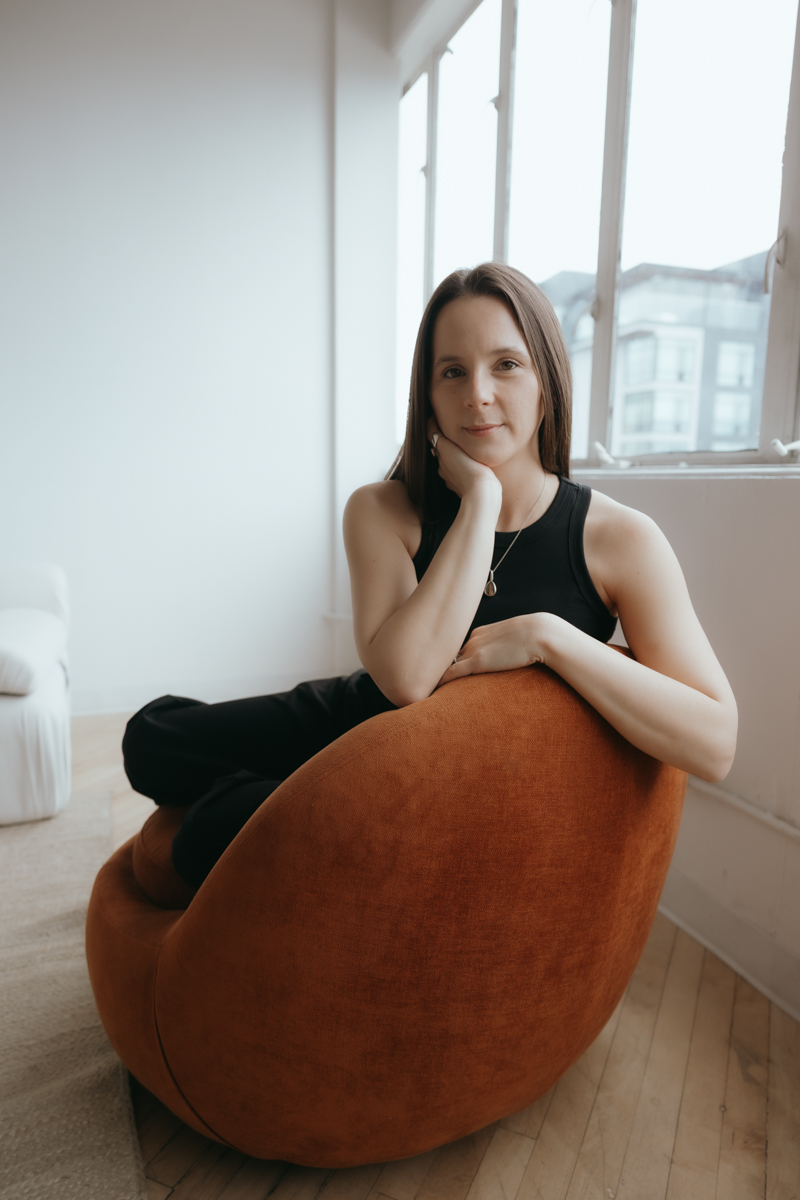
My photography is a blend of art, experience, and instinct, a little bit of this, a little bit of that. It started 22 years ago, the first time I stepped into a darkroom, a moment that sparked a lifelong pull toward capturing the world through a lens. That pull eventually led me into the fine art space, collaborating with artists, managing studios, and working alongside galleries and museums, studying art and photography through both undergraduate and graduate school, where my aesthetic developed under the influence of critical theory and contemporary art. I found myself drawn to the intersection of documentary photography and the spontaneous, unfiltered moments of real life. My goal has always been the same: images that are raw, honest, and deeply human.
I founded Teresa LoJacono Photography in 2013, and started experimenting with wedding photography in 2019, on purpose, and differently than what I’d been trained to expect from the industry. Travel plays a huge role in my creative process too, I find inspiration in the unfamiliar, letting light, movement, and emotion guide my eye. With a camera in hand, everything becomes a canvas and a chance to catch what’s actually happening, not what’s staged for it. If there’s one belief that’s driven all of it, it’s this: have fun, and let it be what it’s going to be. I’ll be there to catch whatever happens.


