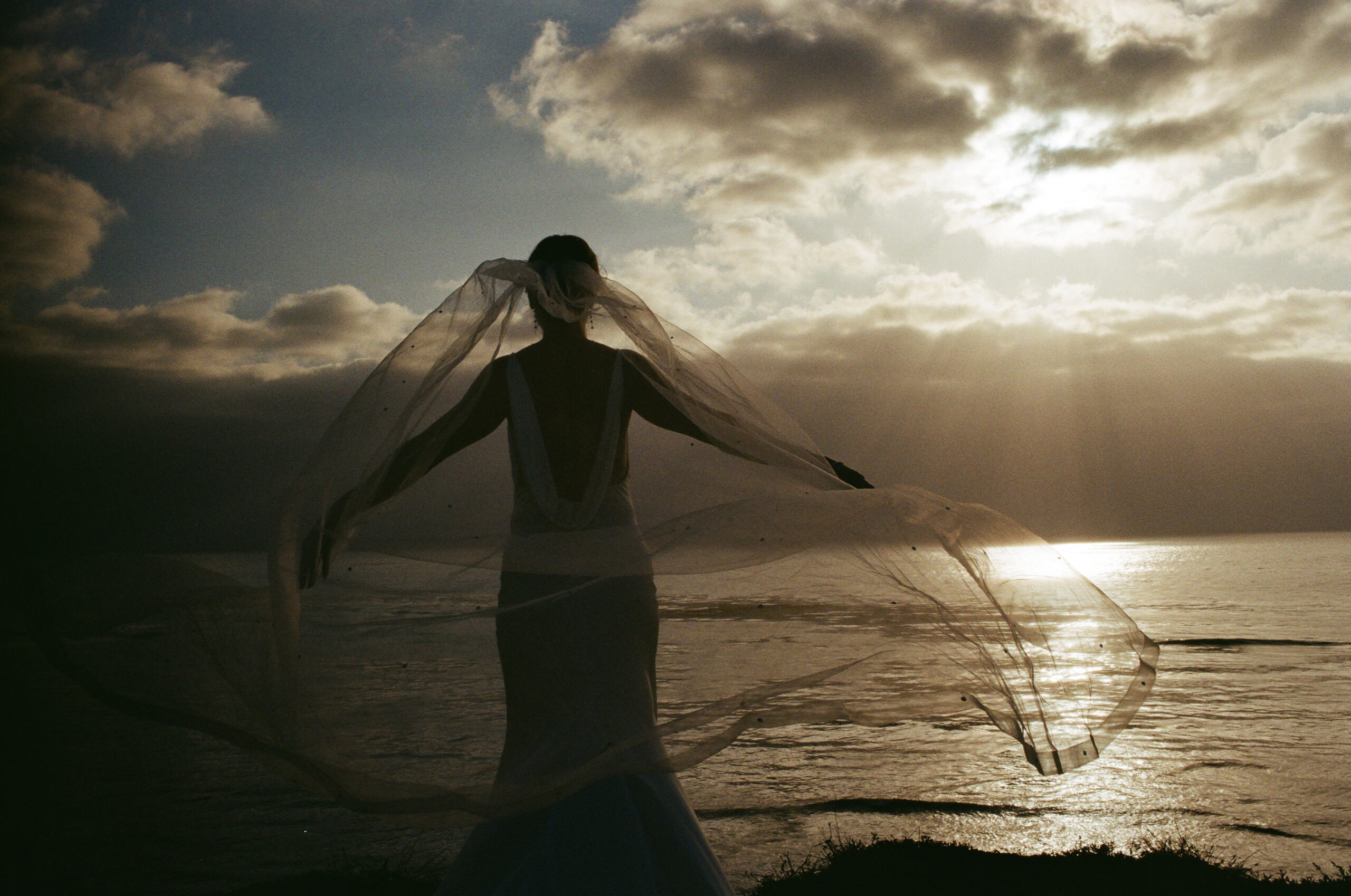
Sunset Cliffs Wedding: Shot on Film + Holga in San Diego
Sunset Cliffs is already iconic. The way light pours over the sandstone cliffs, the drama of the ocean crashing just below, and the wild, unscripted nature of the coastline give a wedding here a feeling no studio backdrop could fake. Add in a 35mm camera and a plastic Holga, and it becomes something else entirely.
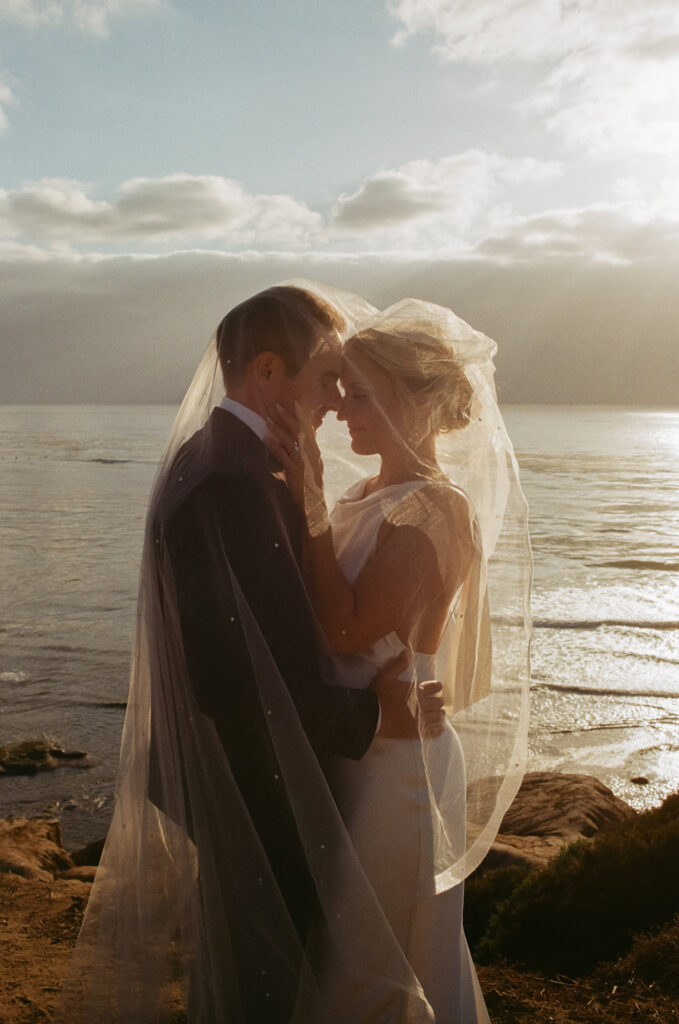
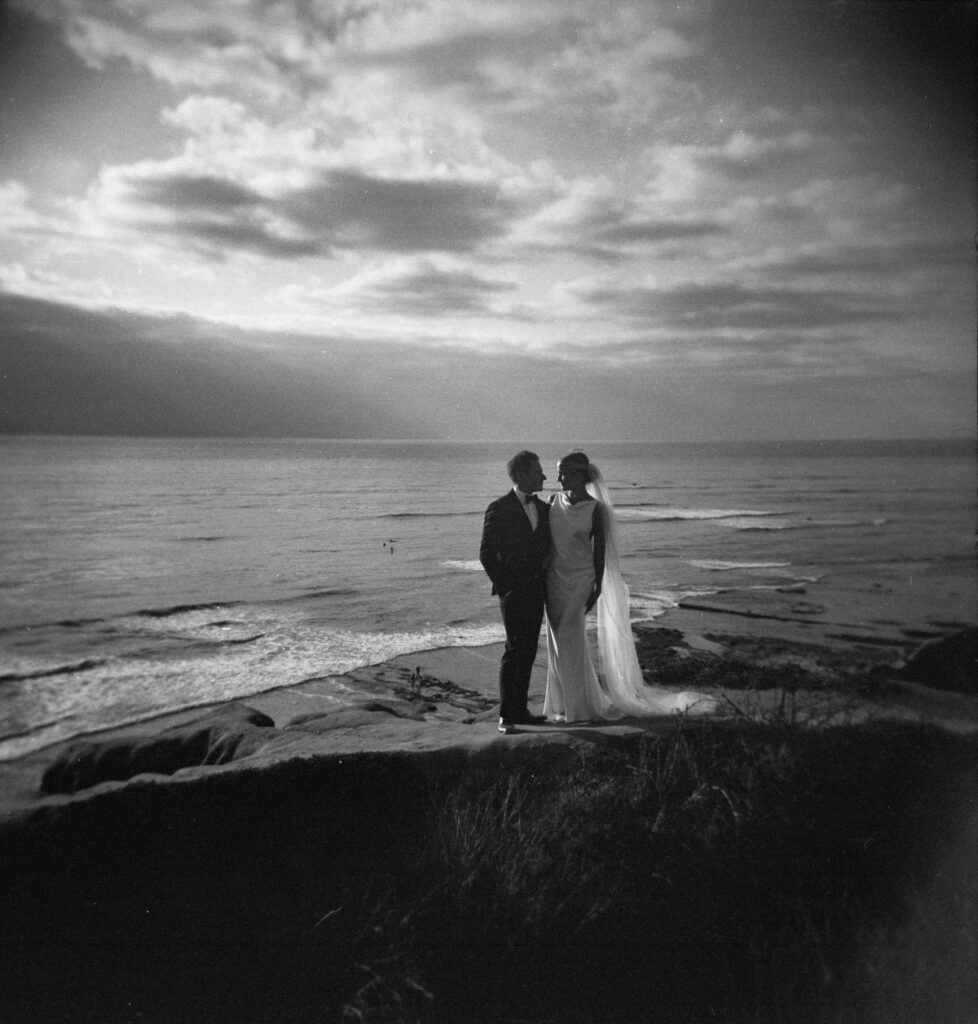
Natalie and Jason’s wedding was as free-spirited and sentimental as the place they chose to marry. They wanted to be fully present with their people, to laugh deeply, and to remember the moments exactly as they happened. Not perfectly posed, but beautifully real.
Why I Used Film, and the Holga
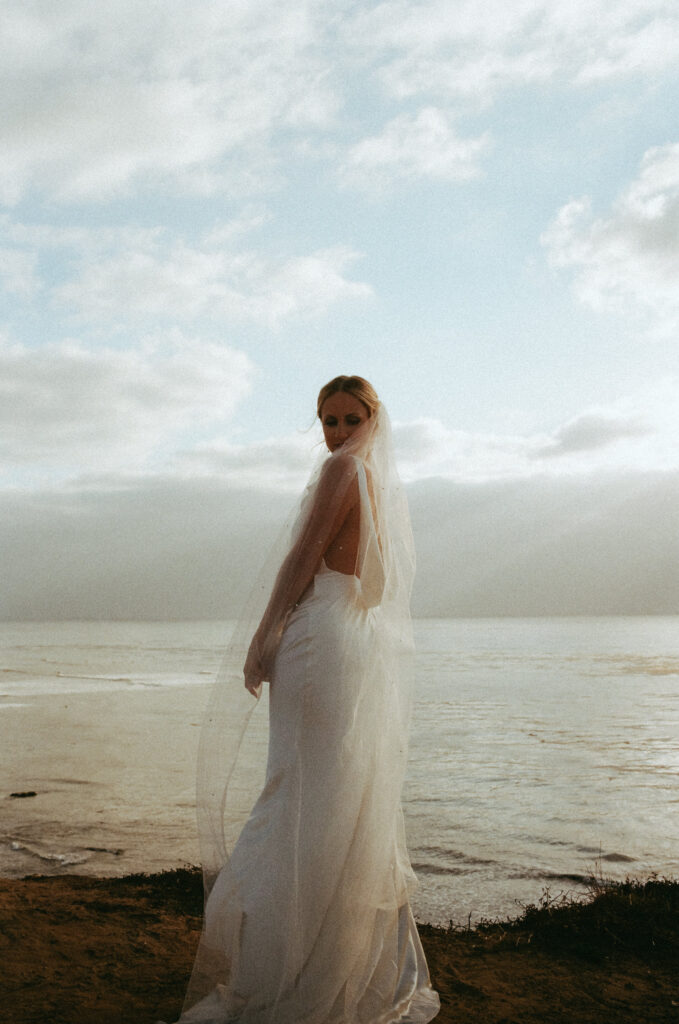
There’s something about film that digital can’t quite touch. The softness. The texture. The way colors feel more like memories than pixels.
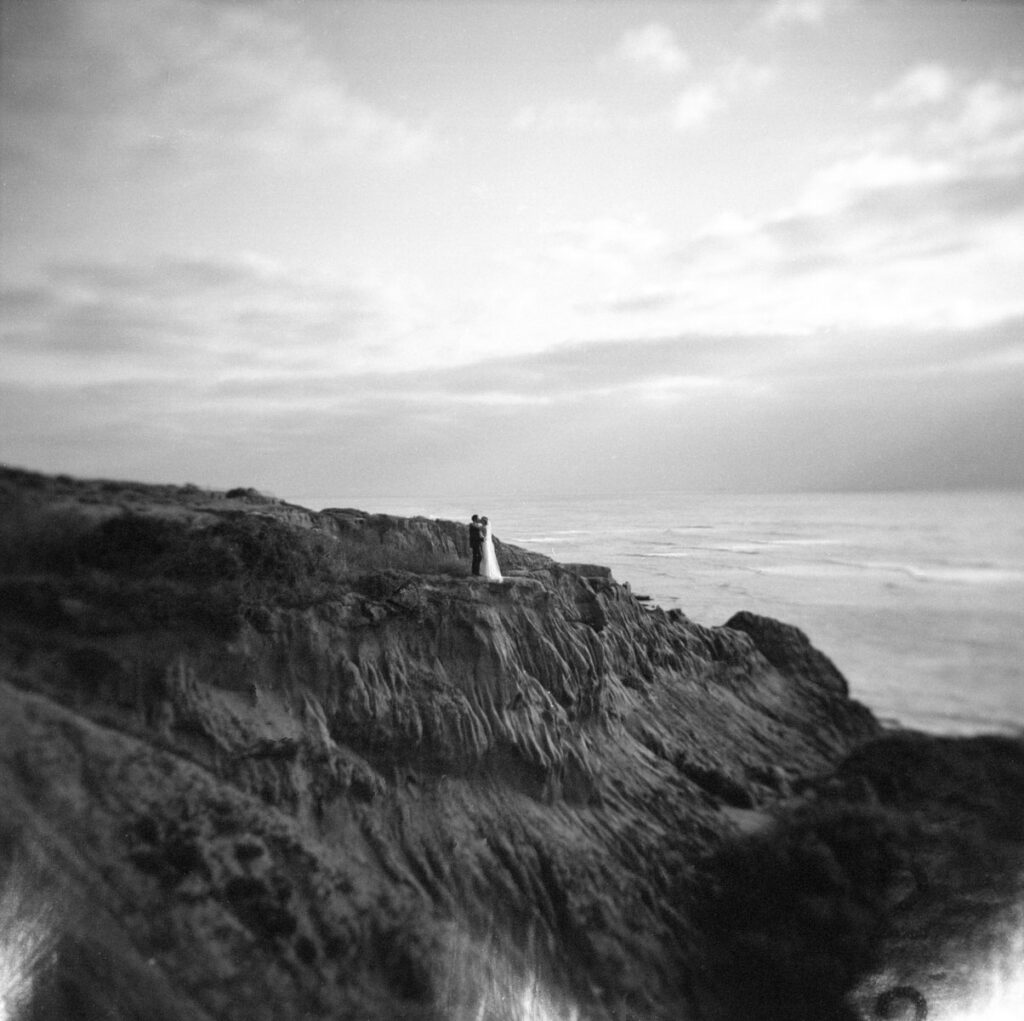
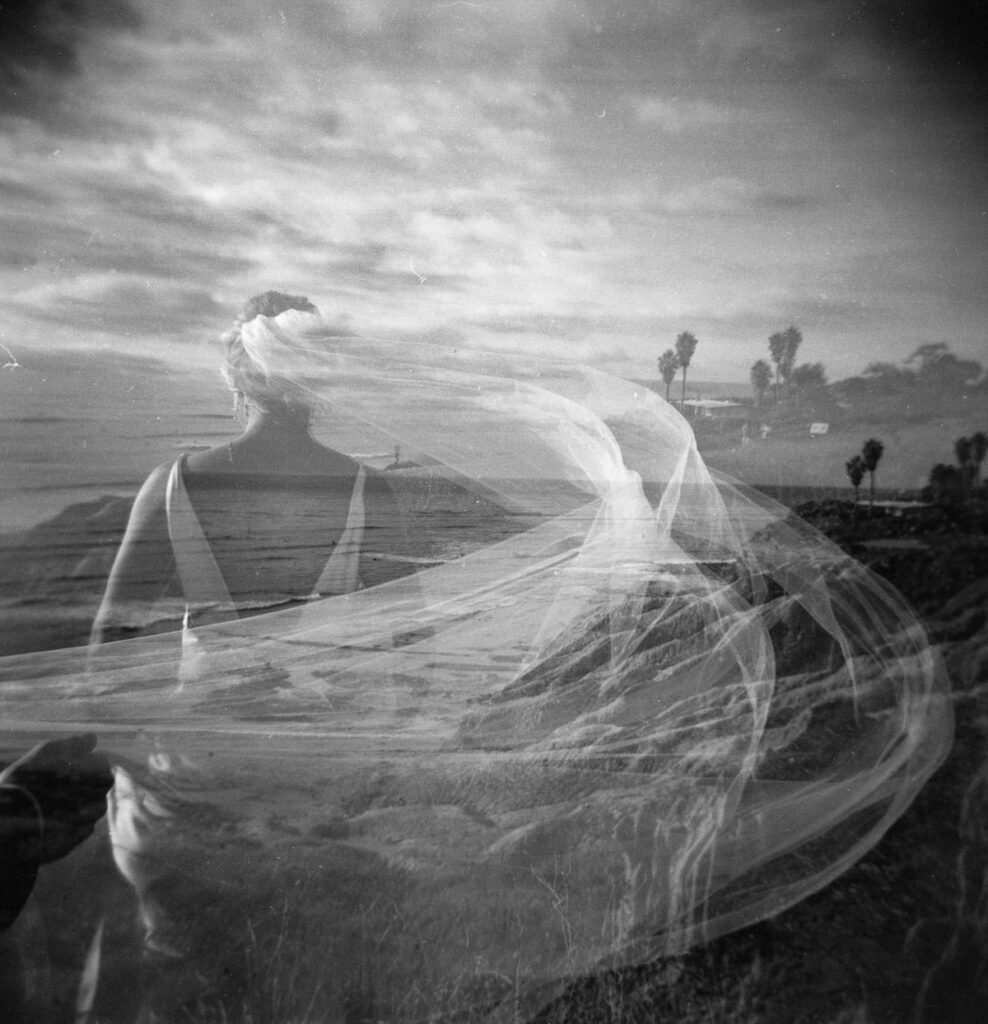
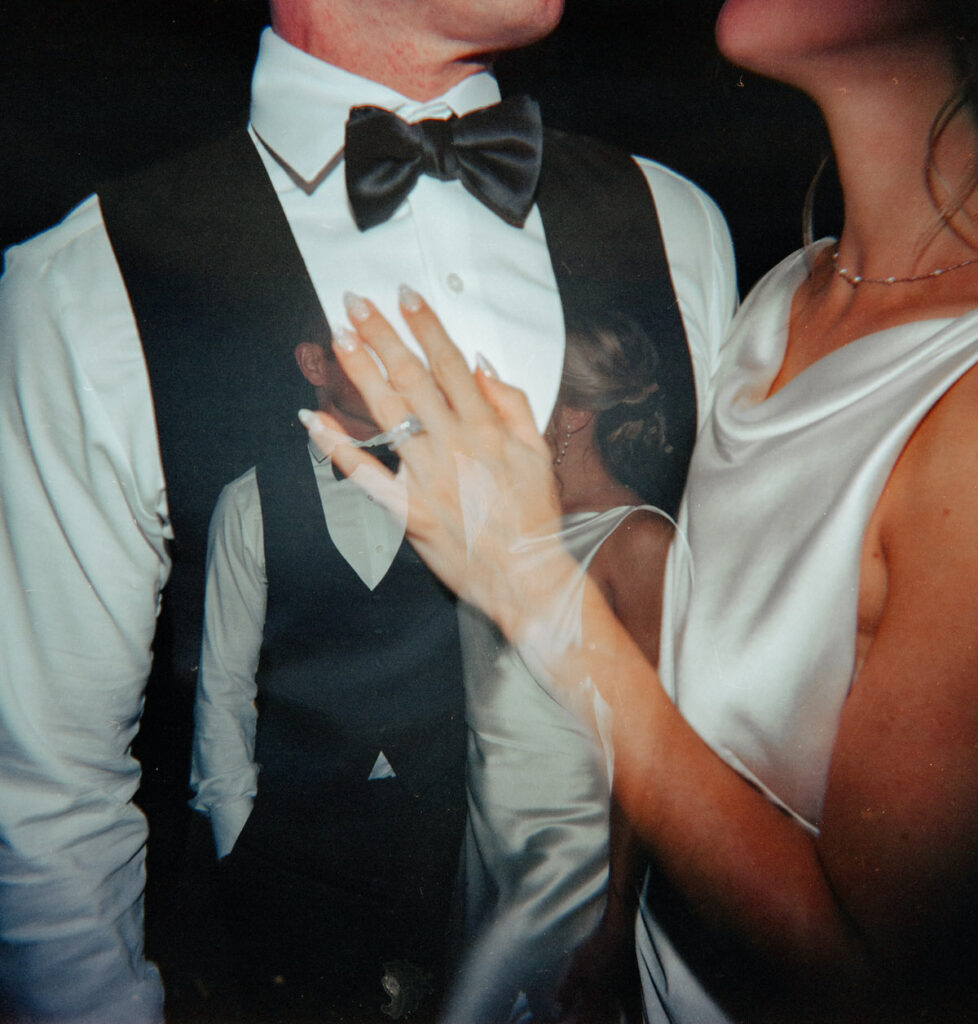
I shot this day primarily on 35mm film, which brought a nostalgic, timeless feel to every frame. Then I pulled out my Holga, a plastic toy camera with blur, vignetting, and unpredictable light leaks. It’s imperfect in all the right ways. (For more on what a Holga actually is, and why I shoot the 120N specifically, see the full Holga guide linked below.)
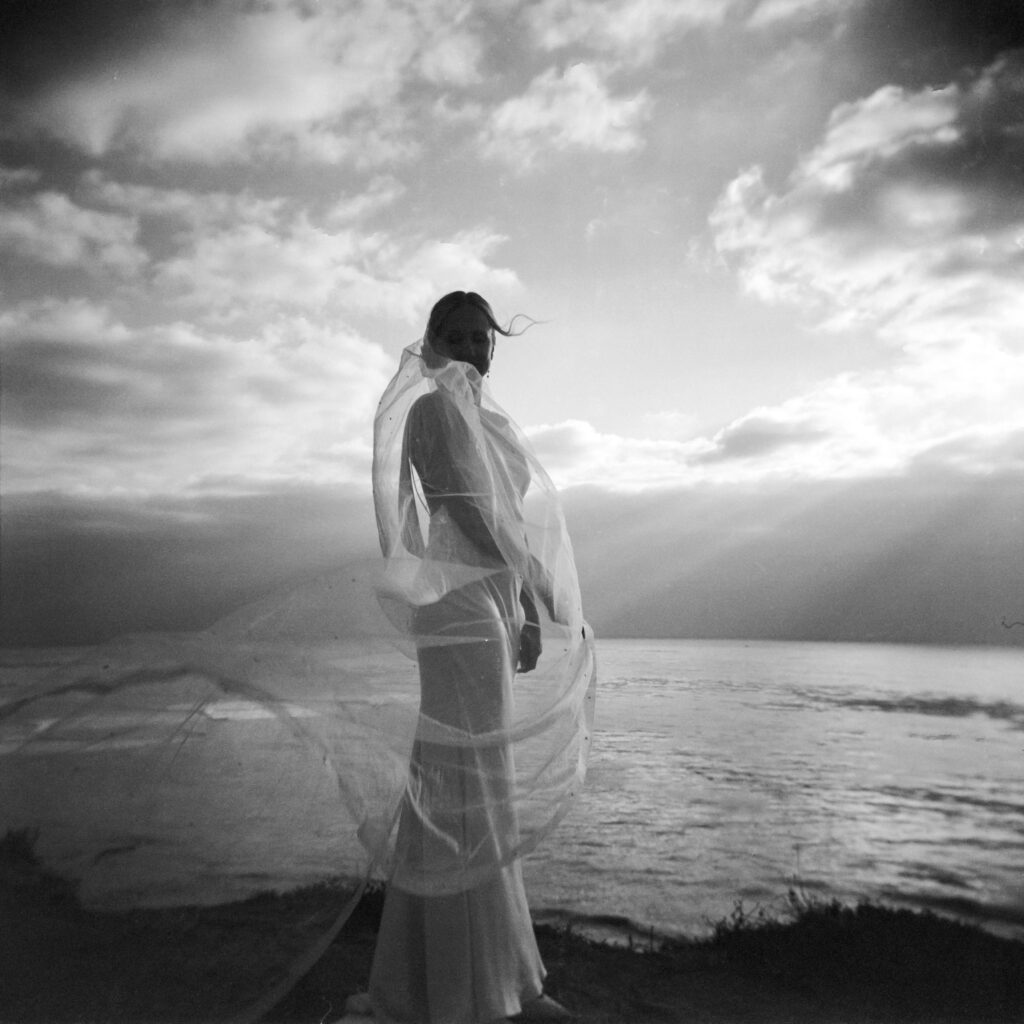
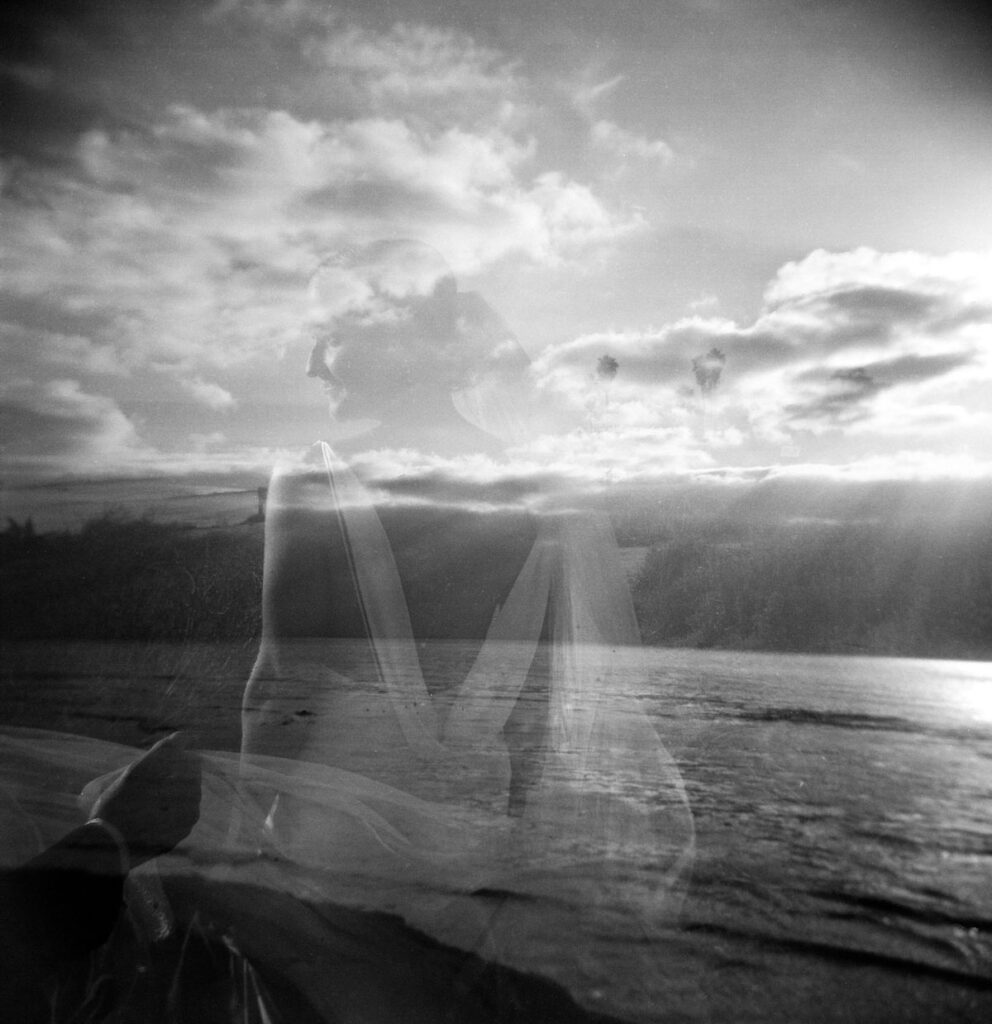
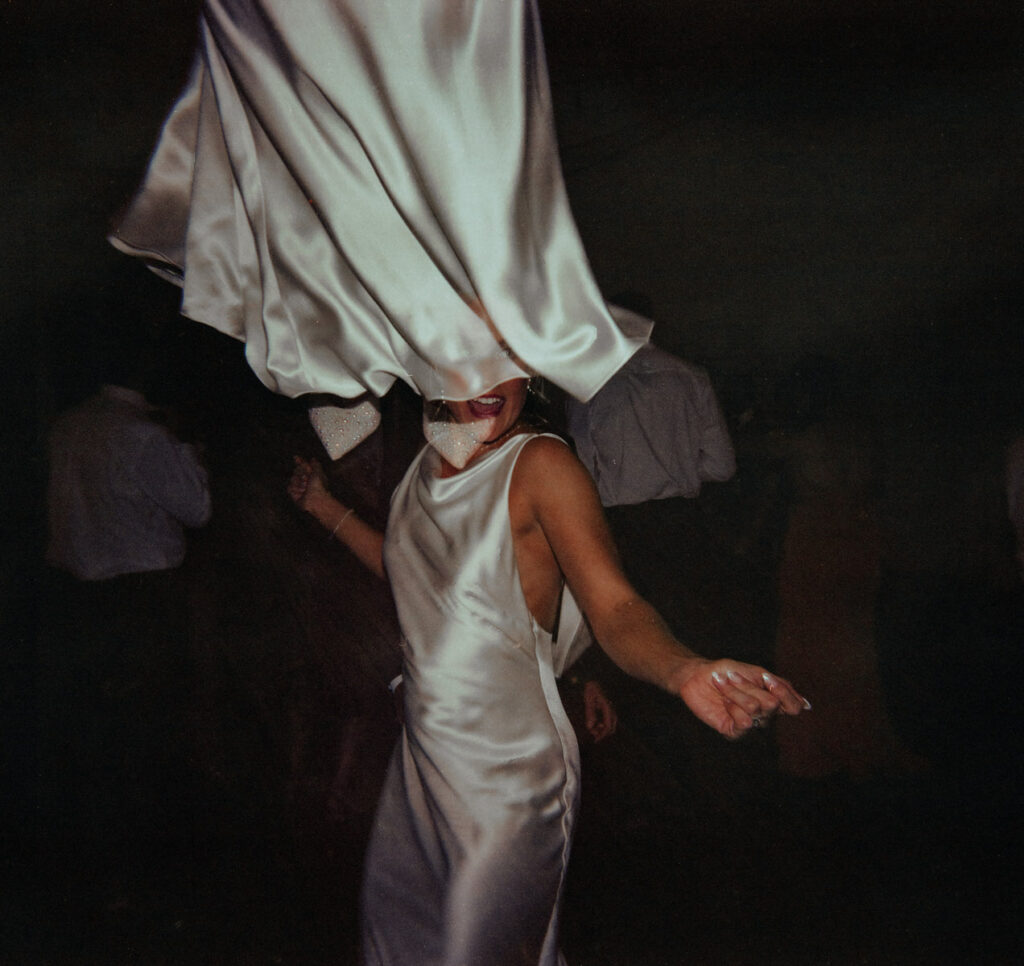
One of my favorite images from the whole day: Natalie’s veil blowing across her face with the ocean behind her, caught on Holga film with just the right kind of chaos.
Blending Film + Digital
While I love the artistry of film, digital is essential for the fast-paced parts of the day, getting ready, hugs that come out of nowhere, and fleeting expressions during the reception. I use both with purpose.
Film: portraits, ceremony, quiet moments. Digital: transitions, receptions, fast action, backups. Together, they cover the full day without compromise.
Planning a Sunset Cliffs Wedding? A Few Things to Know
Choose a photographer who shoots film if you want a gallery that feels honest and a little unpredictable, not just technically perfect.
Wear shoes with real grip. The cliffs can be uneven, especially once the light starts fading at golden hour.
Check the tides and the sunset time before you set a ceremony time. Both shift fast, and the light is doing a lot of the work in these photos.
Keep your guest list small. Weddings held at the park itself are capped at 50 guests and require a permit from San Diego Parks and Recreation. For the fuller permit and parking breakdown, see Film vs. Digital: A Sunset Cliffs Session.
Thinking About a Wedding Like This?
If a day like this sounds like yours, one that’s more about being together than performing for a camera, I’d love to be there for it.
Inquire about your Sunset Cliffs wedding
Frequently Asked Questions
Do we need a permit for a wedding at Sunset Cliffs? Yes. Weddings held at the park itself are capped at 50 guests and require a permit from San Diego Parks and Recreation. See the fuller permit and parking breakdown in Film vs. Digital: A Sunset Cliffs Session.
What’s the best time of day for photos at Sunset Cliffs? Golden hour, the hour or so before sunset. Check the actual sunset time and tides before locking in your ceremony time, since both shift throughout the year and the light is doing a lot of the work here.
Can we add Holga film to our own Sunset Cliffs wedding? Yes. A Holga is a small, intentional addition alongside full digital and 35mm coverage, not a replacement for it. See Weddings on Film with the Holga for the fuller explanation of what it is and how it works.
Will shooting on film mean some moments get missed? No. Digital runs alongside film throughout the day, so nothing goes uncaptured just because a roll needed to be changed.
More Film Photography You’ll Love
Weddings on Film with the Holga
Film vs. Digital: A Sunset Cliffs Session That Shows the Real Difference
Why Film Wedding Photography Is Worth It: A Real Rancho Guejito Vineyard Wedding

My photography is a blend of art, experience, and instinct, a little bit of this, a little bit of that. It started 22 years ago, the first time I stepped into a darkroom, a moment that sparked a lifelong pull toward capturing the world through a lens. That pull eventually led me into the fine art space, collaborating with artists, managing studios, and working alongside galleries and museums, studying art and photography through both undergraduate and graduate school, where my aesthetic developed under the influence of critical theory and contemporary art. I found myself drawn to the intersection of documentary photography and the spontaneous, unfiltered moments of real life. My goal has always been the same: images that are raw, honest, and deeply human.
I founded Teresa LoJacono Photography in 2013, and started experimenting with wedding photography in 2019, on purpose, and differently than what I’d been trained to expect from the industry. Travel plays a huge role in my creative process too, I find inspiration in the unfamiliar, letting light, movement, and emotion guide my eye. With a camera in hand, everything becomes a canvas and a chance to catch what’s actually happening, not what’s staged for it. If there’s one belief that’s driven all of it, it’s this: have fun, and let it be what it’s going to be. I’ll be there to catch whatever happens.


